Song Meaning
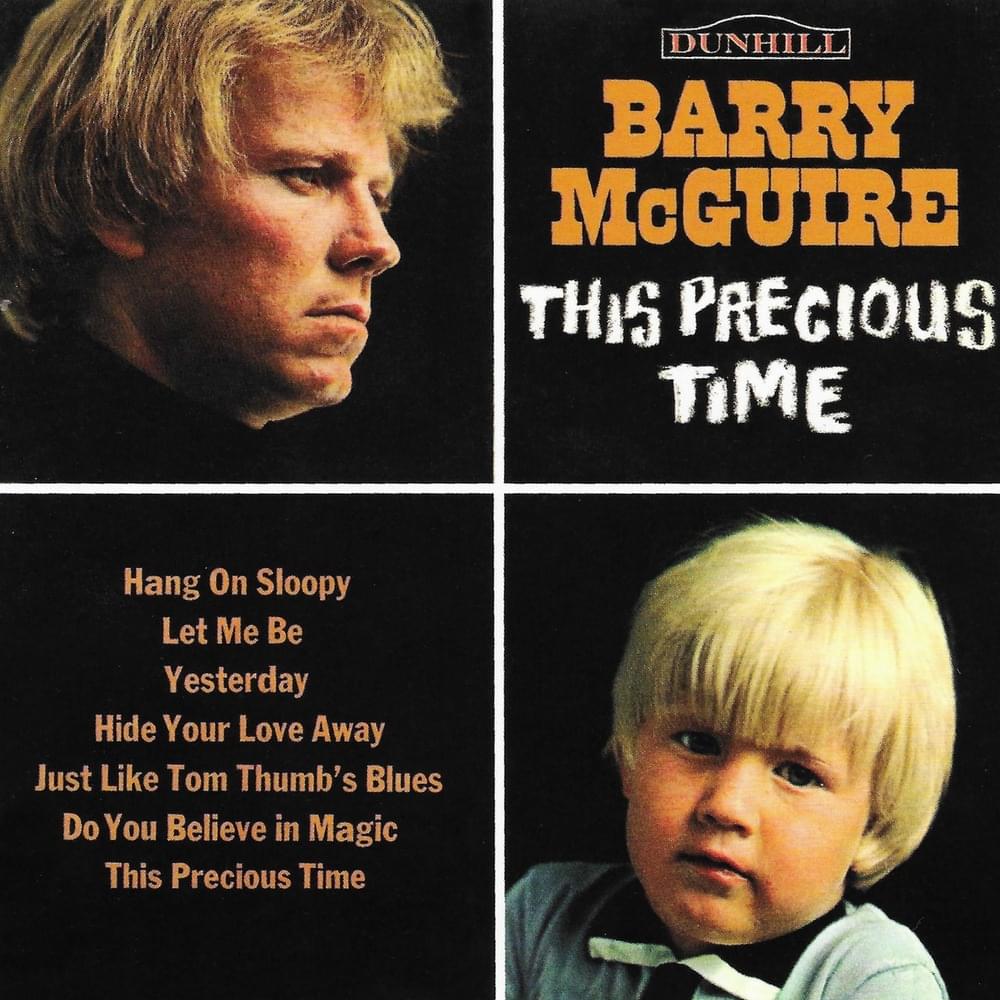
Barry McGuire's interpretation of "Yesterday" isn't just a lament for lost love; it's a stark confrontation with the disorienting speed of change and the crushing weight of regret. The song's deceptively simple structure—a cyclical return to the idealized past—mirrors the obsessive replay of memory that often accompanies heartbreak. McGuire doesn't just miss his lover; he mourns a former self, one where "love was such an easy game to play." This isn't merely nostalgia; it's a painful recognition of innocence lost. The "shadow hanging over me" isn't just heartbreak; it's the looming awareness of his own culpability. He admits, "I said somethin' wrong," accepting the burden of responsibility without knowing the precise nature of his transgression.
The constant yearning for "yesterday" isn't just about romantic loss. It speaks to a deeper human desire to rewind time, to undo mistakes, and to recapture a sense of uncomplicated joy. The repetition of "I believe in yesterday" almost sounds like a desperate mantra, a fragile shield against the harsh realities of the present. The song's genius lies in its universality; we've all experienced that sudden, sickening realization that the past is irretrievable, and that our present is irrevocably shaped by choices we can no longer change. The lyrics analysis reveals that "Yesterday" is not merely a breakup song; it's a meditation on time, memory, and the enduring human struggle to reconcile with our past selves.
Ultimately, McGuire's rendition of "Yesterday" functions as a miniature study in cognitive dissonance. The speaker simultaneously acknowledges his role in the relationship's demise while clinging to the belief that "yesterday" held the key to uncomplicated happiness. This internal conflict isn't resolved; it's simply presented, raw and exposed. This lack of resolution is precisely what makes the song so emotionally resonant. It doesn't offer easy answers or platitudes; it simply acknowledges the messy, often irrational ways in which we grapple with loss and regret, making it a timeless exploration of the human condition. The stark simplicity of the lyrics amplifies the emotional weight, allowing listeners to project their own experiences of loss onto the song's narrative.