Song Meaning
Jacquimo frames the narrative with a boisterous, almost theatrical love for "great romances," immediately contrasting grand, impossible tales like Sampson and Delilah or Romeo and Juliet with the "impossibly small" story of Thumbelina. This sets up a playful, yet pointed, observation: the most profound emotional narratives can arise from the most diminutive origins. His laughter and exclamations of "Vive, l'amour!" underscore a deep appreciation for love stories, no matter their scale.
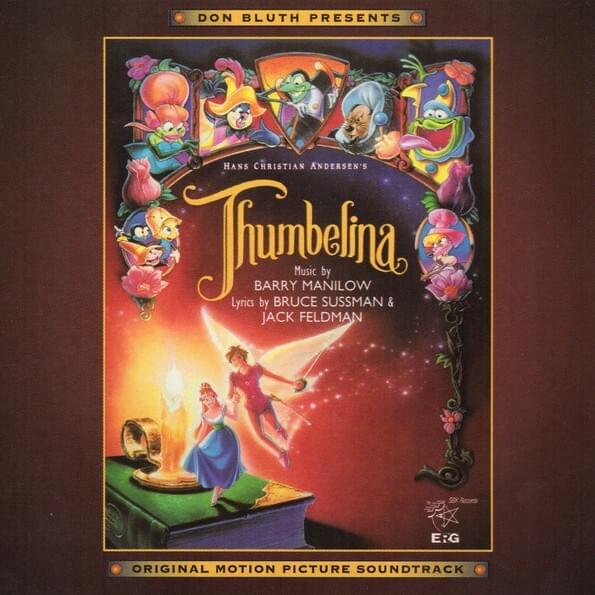
The core of the story begins with a "lonely woman" whose singular desire is "A child to call her own." This yearning is met not through conventional means, but by a "good witch" and a magical "tiny barleycorn." The transformation from a seed to a fully formed child, emerging from a flower, highlights the unexpected and wondrous ways desires can be fulfilled. The mother's immediate affection and naming of her daughter, "Thumbelina," solidifies the bond and the unique nature of this child.
The most striking craft element is Jacquimo's framing device. He acts as a showman, introducing and commenting on the tale, emphasizing the "impossible problems" inherent in great romances. His shift to Thumbelina's story, described as "impossibly small," creates a powerful juxtaposition. This technique suggests that while epic love stories have their own drama, the inherent vulnerability and unique challenges of a being "No bigger than your thumb" present a different, perhaps even more profound, kind of impossibility.
This narrative's effectiveness lies in its charming simplicity and the gentle irony of its introduction. By starting with grand pronouncements about epic love and then focusing on a child born from a seed, the lyrics invite the listener to reconsider what constitutes a significant story. The contrast between Jacquimo's exaggerated persona and the tender, quiet emergence of Thumbelina creates an endearing and memorable opening, promising a tale where even the smallest can face the greatest of challenges.
 View Artist