Song Meaning
The narrator is stuck in a loop of absence, a quiet echo of a life once shared. Every potential social engagement, from a Saturday dance to a night at the club, is met with a profound inertia. The lyrics paint a picture of someone physically present but emotionally absent, unable to fully re-engage with the world because a significant person is no longer there. The simple refrain, "Don't get around much anymore," becomes a heavy, resigned statement of fact.
This isn't just about missing a specific person; it's about the void they left behind, which renders other experiences hollow. The thought of attending a dance where the floor was crowded without their partner is unbearable. Even the idea of going to a club is shut down by the imagined, inevitable question: "They'd have asked me about you." This suggests the narrator's absence from social life is as noticeable as their former presence within it.
The lyrics reveal a complex emotional state where a semblance of peace is found in avoidance. "My mind's more at ease" is a fragile calm, immediately qualified by the pragmatic question, "Why stir up memories?" This isn't true contentment, but a strategy for survival, a way to keep the pain at bay by refusing to engage with anything that might trigger a resurgence of loss. The repetition of this sentiment underscores the narrator's ongoing struggle to reconcile their current solitude with past happiness.
Ultimately, the effectiveness of these lyrics lies in their understated portrayal of grief. The narrator isn't overtly crying or lamenting; they are simply *not doing* things. This passive resistance to life, this quiet withdrawal, speaks volumes about the depth of their attachment and the enduring impact of their loss. The world keeps turning, dances happen, and clubs are full, but for the narrator, the most significant part of the picture is missing, making everything else feel "awfully different."
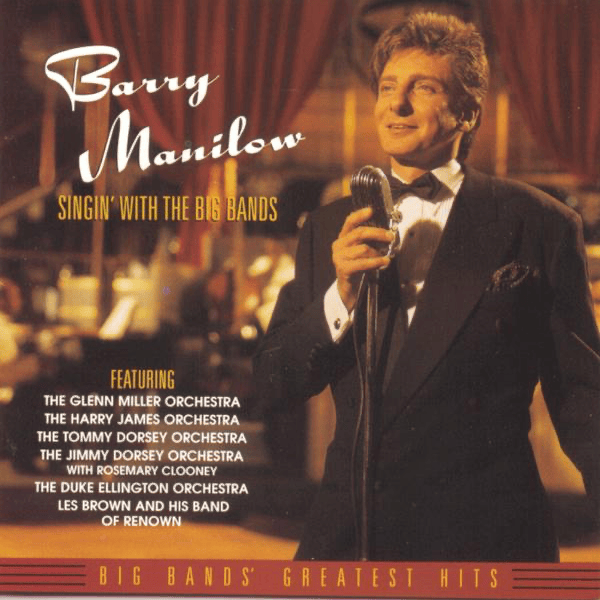
 View Artist