Song Meaning
The lyrics paint a picture of someone feeling utterly left out of the romantic sphere. While others are composing love songs and basking under "lucky stars," the narrator finds only "clouds of gray." This isn't just a bad mood; it's a pervasive sense of cosmic exclusion, a feeling that love's guiding light is actively bypassing them. The comparison to a "Russian play" is a brilliant, almost theatrical flourish, suggesting a level of dramatic, inescapable melancholy that feels almost too intense for real life.
The core tension lies in the narrator's resigned acceptance of their romantic isolation, contrasted with the lingering, bittersweet memory of a past connection. They admit to being "a fool to fall" and acknowledge a kiss they "can't dismiss," yet the conclusion remains firm: "I guess she's not for me." This isn't a plea for a second chance; it's a weary declaration of defeat, underscored by archaic expressions like "Hi ho alas and also lackaday" that amplify the sense of forlornness.
The most striking craft element is the relentless, almost incantatory repetition of the phrase "but not for me." This refrain hammers home the narrator's singular focus on their lack of romantic fortune. It's a self-fulfilling prophecy delivered with a sigh, turning personal disappointment into an immutable fact. The structure, with its mirrored verses, reinforces this cyclical feeling of being trapped in the same unhappy realization, unable to break free from the narrative of being unloved.
Ultimately, the effectiveness of these lyrics stems from their stark emotional honesty and the precise, almost bleak imagery used to convey a profound sense of loneliness. The narrator isn't angry or bitter; they're simply stating a perceived truth with a quiet, devastating finality. It's this understated resignation, coupled with the vivid contrast between the world's perceived happiness and their own gray reality, that makes the song resonate so deeply.
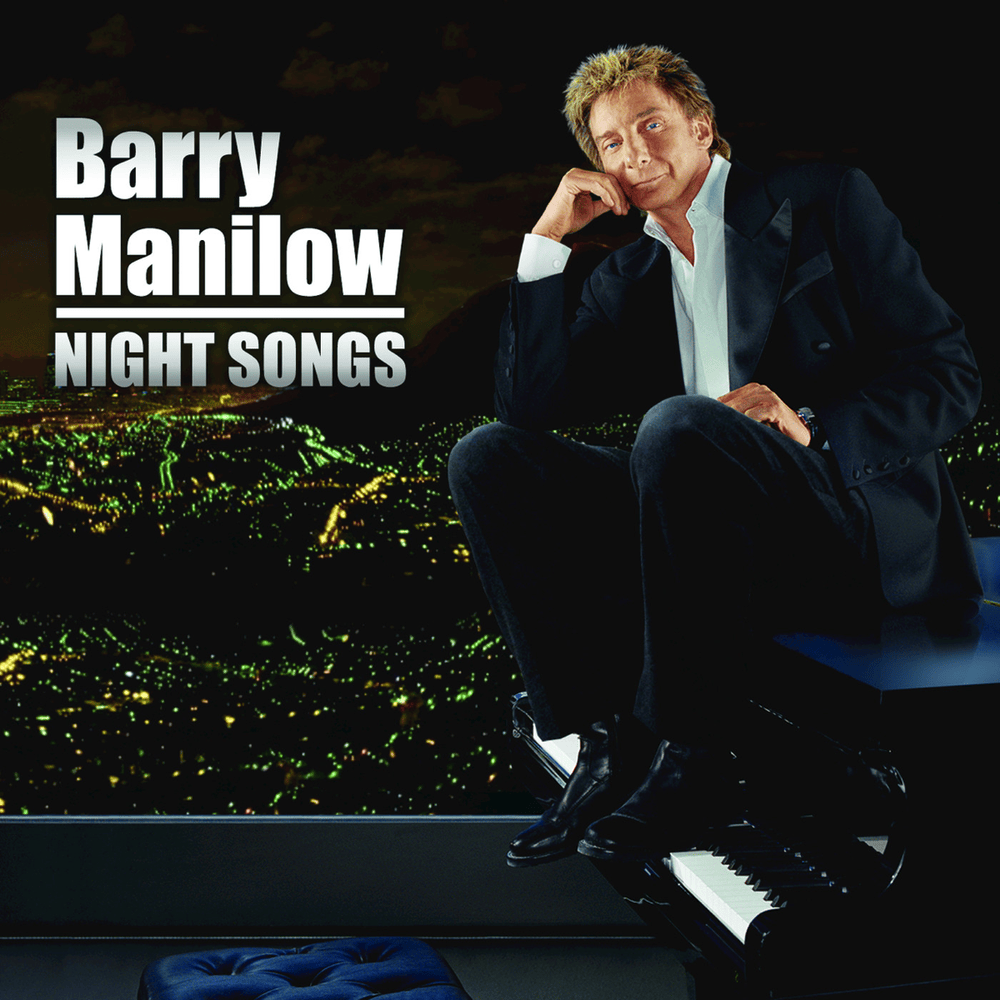
 View Artist