Song Meaning
This song lays bare a deep, unwavering devotion, framed by a series of hypothetical "if ever" scenarios. The narrator positions themselves as the ultimate fallback, the constant presence ready to step in during moments of need, loneliness, or even a renewed chance at love. It’s a plea for a specific kind of recognition: not just affection, but a designated role as the primary confidant and source of comfort.
The core tension lies in the narrator's persistent offering versus the implied absence of reciprocation or immediate need. They repeatedly declare their love and care, but the structure hinges on future possibilities – "if ever you need," "if ever you should love again." This creates a poignant sense of waiting, of a love held in reserve, always available but not necessarily currently claimed. The repetition of "Let me be the one" and "I wanna be the one" hammers home this singular desire to be chosen.
The most striking element is the subtle shift in the final verse, where "friend" becomes "fiend." This could suggest a desperate, almost obsessive quality to the narrator's commitment, or perhaps a playful, dark twist on the intensity of their feelings. It adds a layer of complexity, hinting that this unwavering support might border on something more consuming, a love that's both a sanctuary and potentially a trap.
Ultimately, the lyrics resonate because they articulate a powerful, almost selfless form of love. The narrator isn't demanding attention, but offering it unconditionally, making their desire to be the "one" feel both earnest and profoundly vulnerable. The careful construction around future possibilities highlights the depth of their commitment, a love that exists in anticipation and readiness.
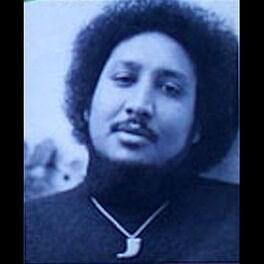
 View Artist