Song Meaning
The lyrics paint a stark picture of addiction and its isolating grip. The opening lines, with "cuatro gotas" changing color and the narrator burning his nose, immediately establish a scene of substance use, tied to a specific, melancholic feeling that only arrives in October. This isn't just about a bad day; it's a recurring emotional state, amplified by a relentless "viento que pega de frente," suggesting external pressures or internal struggles that offer no relief, leaving the narrator with "lágrimas que aguantan un poco más."
The core tension lies in the cyclical nature of this despair, described as "humedad, cierta tristeza / Y algo más se repite otra vez." This repetition isn't just emotional; it's tied to the tangible source of the problem, "todo está en una botella." The chilling realization is how readily this cycle can end, encapsulated in the repeated, almost breathless refrain, "Y tan fácil se puede acabar." This phrase highlights the precariousness of the narrator's situation, where escape or oblivion feels terrifyingly accessible.
The lyrics shift to a more intimate, yet still troubled, space when the narrator expresses longing for physical connection, recalling moments of passion like "agarrar tus tetas sin avisar" and "notar ese culo junto a mí." However, this desire is immediately framed by the destructive influence of the addressee, who "me enseñaste a amar el vicio." The repetition of this line, linking the learned love of vice to being "metido en tu fuego" and then "metido en tu cuerpo," suggests a deep, intertwined history where love and addiction became inseparable, blurring the lines between intimacy and self-destruction.
What makes these lyrics hit so hard is the raw, unvarnished portrayal of addiction's dual nature: the physical craving and the emotional void it leaves. The contrast between the remembered intimacy and the present desolation, coupled with the terrifying ease of "acabar," creates a potent sense of loss and entrapment. The simple, repeated phrase "Tan fácil!" becomes a desperate, almost resigned acknowledgment of how quickly things can fall apart, driven by a vice learned from someone once close.
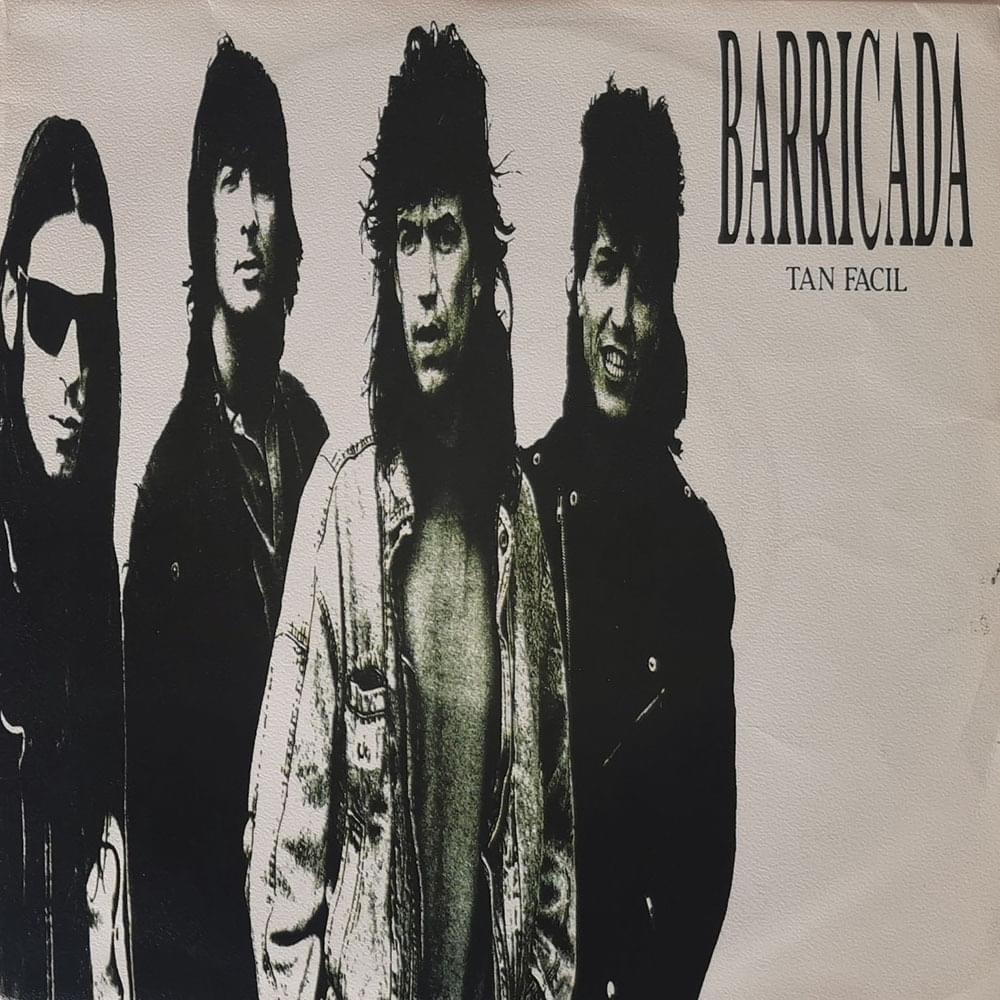
 View Artist