Song Meaning
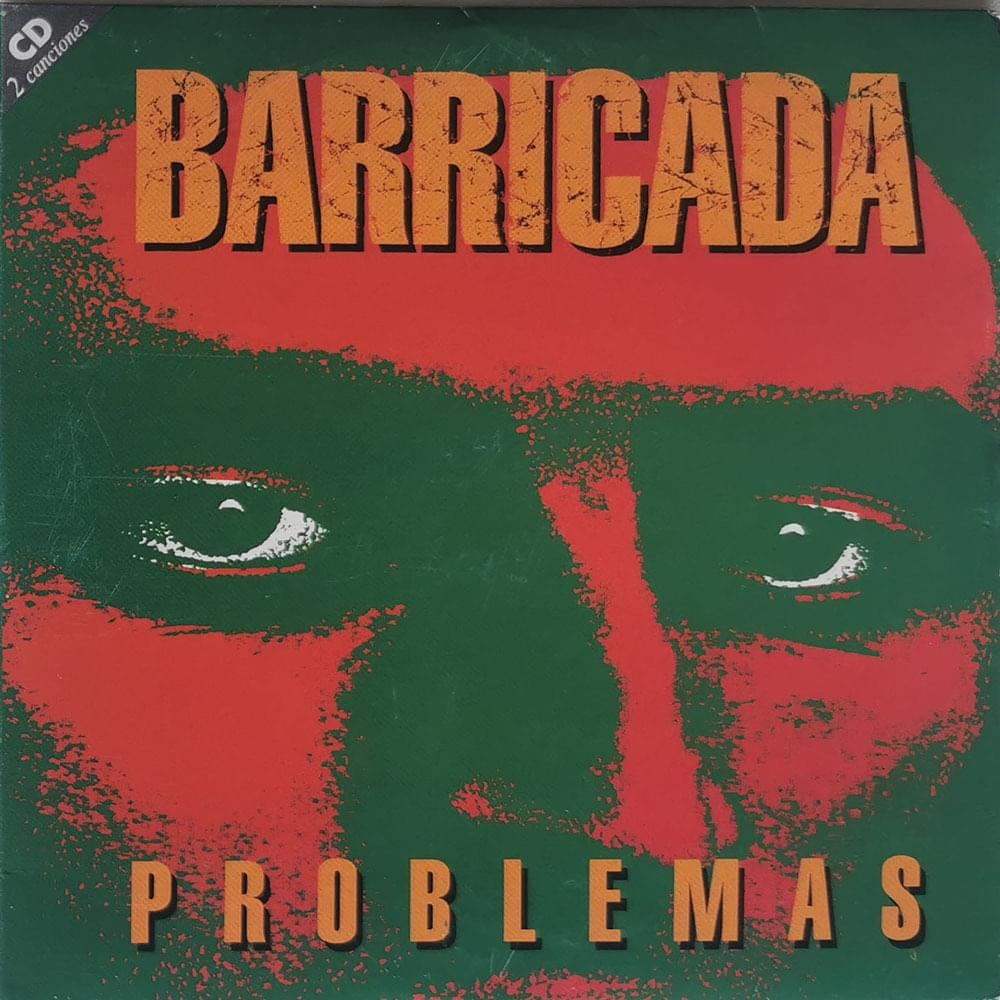
The lyrics paint a picture of societal chaos and internal turmoil, posing a series of accusatory questions about who is causing destruction and who is merely observing. The opening lines, "¿Quién mira?, ¿quién rompe? / ¿Quién ha llamado a gritos / Con patadas y con golpes?", immediately establish a tone of unrest and violence, questioning the agents of this disruption. This sets up a central tension between active perpetrators and passive observers, or perhaps between those who instigate conflict and those who are caught in its wake. The repeated phrase "Problemas, problemas, problemas" acts as a relentless refrain, underscoring the pervasive nature of these issues.
The lyrics suggest a struggle with agency and control, particularly in the lines "¿Quién sabe lo que quiere / Si no tenemos dueña?" and "Si el miedo está en tu cuerpo / Será porque te dejas". This implies a lack of clear leadership or ownership, leading to confusion about desires and a susceptibility to fear. The narrator seems to be grappling with a sense of being overwhelmed, where external forces (the "corriente") and internal anxieties ("el miedo") dictate one's fate. The advice to "colarte en la fila" and "no te dejes ver" hints at a strategy for survival in this chaotic environment, prioritizing self-preservation over direct confrontation.
The most striking imagery is the "afiladas brillan las alas de la mosca" – sharp, shining fly wings. This detail is unsettling, transforming a common insect into something potentially dangerous and predatory. It serves as a potent metaphor for hidden threats or the insidious nature of the "problemas" that surround the speaker. The repetition of "Problemas" throughout the track, escalating in intensity, mirrors the feeling of being consumed by these difficulties, with the final, single "Problemas" leaving a stark, unresolved impression.
 View Artist