Song Meaning
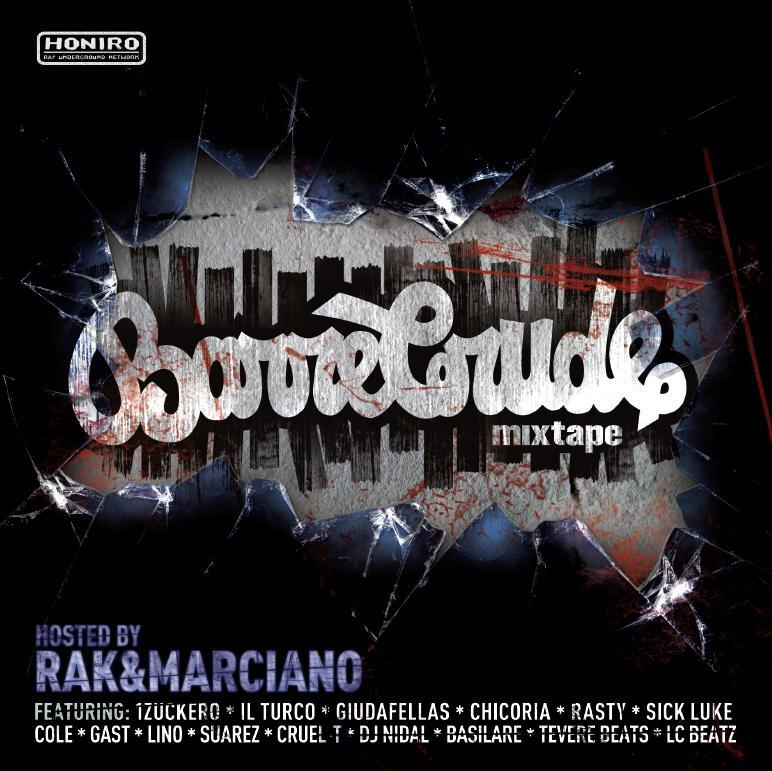
This track paints a picture of being trapped, a prisoner in a system devoid of true power or recognition. The narrator feels confined, their heart caged, existing in a space beyond simple good and evil, unwilling to stand idly by. The raw, unpolished nature of their art, described as "Barrecrude mixtape," is presented as a defiant mark, a way to etch their name into existence despite the lack of material wealth or status.
The central tension arises from a deep-seated disdain for the established order and its superficial games. The lyrics express a visceral rejection of the "gioco dei signori," the lords' game, choosing instead to remain immersed in the raw mechanics of music creation – "tra cassa e rullante." This dedication is fueled by an internal fire, a passion described as "fuoco nei polmoni," a stark contrast to the emptiness of lacking money or a home but possessing resilience.
The writing powerfully uses contrast to convey its message. The narrator is "carcerati senza troni nè corone" (imprisoned without thrones or crowns) yet possesses an internal fire and a determination that transcends material lack. The phrase "Fame, carne, soldi e padroni" (Hunger, flesh, money, and masters) encapsulates the harsh realities and power structures the narrator is fighting against. The raw, aggressive delivery of "Barre-Crude" is positioned as a weapon against a corrupt and hidden Italy, suggesting a desire for radical change, even a destructive one, with "un camion di benzina."
What makes these lyrics resonate is their unflinching portrayal of struggle and defiance. The narrator’s commitment to their craft, even in the face of societal indifference and personal hardship, feels authentic. The repeated emphasis on "Barre-Crude" and the internal "fuoco" serves as a declaration of artistic identity and a refusal to be silenced or defined by the "padroni." The lyrics suggest a raw, almost desperate, authenticity that cuts through the pretense of power and wealth.