Song Meaning
The lyrics paint a stark picture of existential isolation, placing the narrator in a desolate 'no man's land' between opposing forces. The opening lines immediately establish a core conflict: 'A un lado tu odio / Al otro tu amor,' suggesting a person caught between extreme, irreconcilable emotions or ideologies. This internal or external division leads to 'La duda infinita / El viejo dolor,' a state of perpetual uncertainty and ingrained suffering. The narrator observes life slipping away through a 'sumidero' (drain), emphasizing a sense of wasted potential and the futility of indecision. The recurring phrase 'Nadie da / Nada por nada' underscores a world where reciprocity is absent, and everything requires a price, even self-awareness.
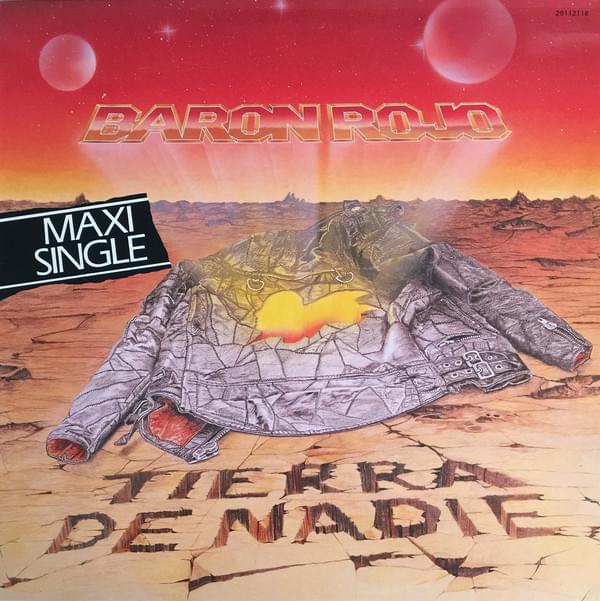
The central tension arises from the loss of identity and the forced independence that follows. The lyrics question self-perception with 'Devuelve el espejo / Tu imagen fugaz,' implying that one's reflection is fleeting and unreliable. This leads to a profound crisis: 'Y ni estás seguro / De tu identidad / Tu nombre no existe.' The narrator has 'dejaste el redil' (left the fold), a clear break from belonging, forcing them into 'tierra de nadie' where 'Nadie te acompañará allí.' This isn't just physical abandonment; it's a complete lack of guidance, protection, or compassion, leaving the individual utterly alone.
The most striking aspect of the writing is the paradoxical framing of this isolation as freedom. While 'Tierra de nadie' is described as 'Oscuridad / Sin rumbo fijo,' a place where one must 'vagar,' the lyrics pivot to declare, 'Pero piensa que ahora / Eres libre.' This freedom is defined by a rejection of external allegiances: 'No perteneces / A una facción,' 'No crees en dogmas,' and 'No crees en banderas.' The narrator's strength must come from within, trusting 'tu propia fuerza.' This rejection of collective identities, even those seemingly noble like fighting for 'la madre tierra,' highlights a deep cynicism about organized belief systems and political movements, where 'gane quien gane, tú vas a perder.'
Ultimately, these lyrics resonate because they articulate a profound sense of being caught between conflicting worlds, stripped of external validation, and forced to forge an identity from scratch. The raw depiction of this 'tierra de nadie' as a 'sombrío lugar' where 'entre dos bandos que al atacar / Te atacan a ti' is a powerful, albeit bleak, commentary on the consequences of refusing to align with any group. The final lines, 'Cuando quizá sea tarde, sea tarde,' serve as a chilling premonition, suggesting that this realization of being attacked from all sides might only come when it's too late to act or change course.
 View Artist