Song Meaning
This track paints a bleak picture of a "sinister zone of reality" where the rules are inverted and the system offers little genuine protection. It's a place where corruption thrives near power, and honest work leads to exhaustion with little reward. The lyrics suggest that survival itself is a temporary and often unattainable goal for many caught in this grim landscape. The song immediately establishes a tone of stark disillusionment, describing a locale where "robbing is not a sin / if you live near power." This sets up a world where morality is dictated by proximity to influence, not by inherent right or wrong. The contrast between the corrupt elite and the struggling masses is palpable from the outset.
The central tension lies in the hypocrisy of a system that claims to protect its citizens while perpetuating hardship. The narrator points out the supposed "social security" and "protection" offered by "the system," but immediately undercuts it with the reality of "waiting lists" that leave one "quite bad" if they even survive. Similarly, education, presented as crucial for the future, is rendered ineffective if public, leading children to "give up." This highlights a profound disconnect between stated ideals and lived experience.
The most striking aspect is the relentless repetition of "La zona siniestra / De la realidad / La tienes muy cerca / Párate a mirar" (The sinister zone / Of reality / You have it very close / Stop and look). This refrain acts as a constant, unsettling reminder that this distorted world isn't some distant dystopia but an immediate, observable truth. The phrase "stop and look" is an urgent call to acknowledge the grim circumstances, implying that willful ignorance is the only way to avoid confronting this uncomfortable reality. The lyrics suggest that simply surviving is a hollow victory, a "temporary achievement" that many never even reach, underscoring the pervasive despair.
Ultimately, the effectiveness of these lyrics stems from their unflinching, direct portrayal of systemic failure and its human cost. By juxtaposing the promises of societal structures with their harsh outcomes, the song creates a powerful sense of injustice and resignation. The repeated, almost chanted, refrain forces the listener to confront the "sinister zone" as an ever-present, undeniable aspect of existence, making the critique feel both personal and urgent.
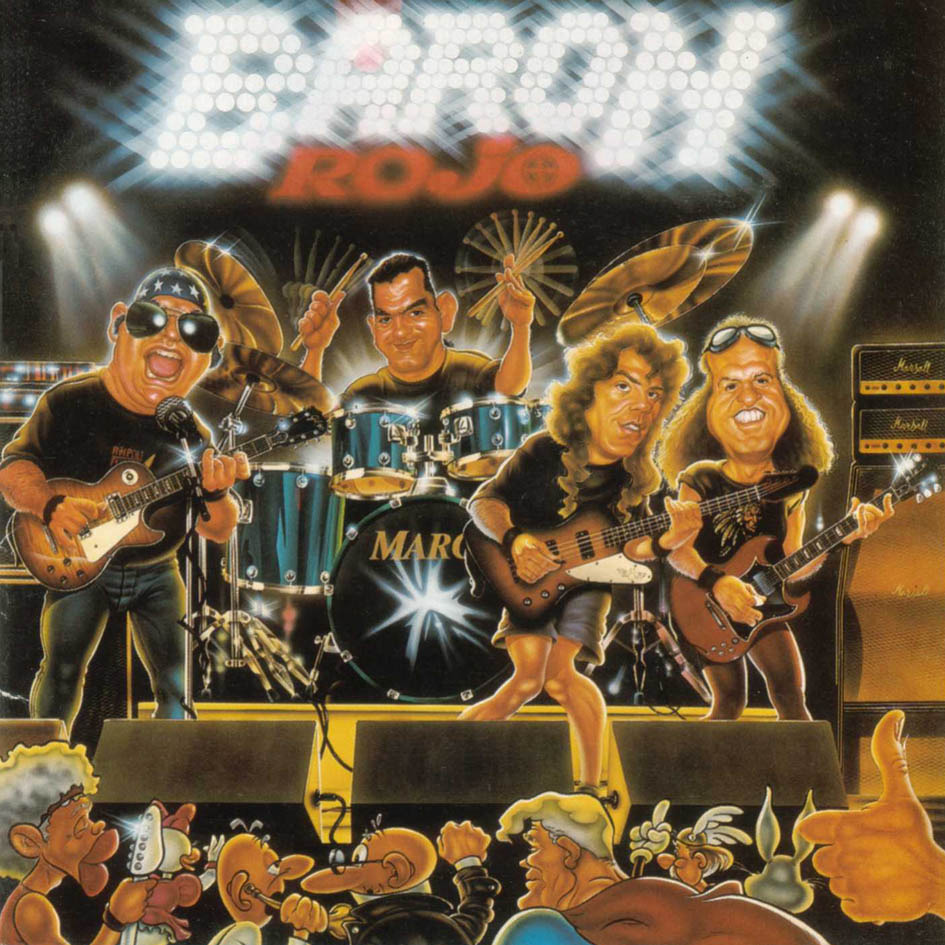
 View Artist