Song Meaning
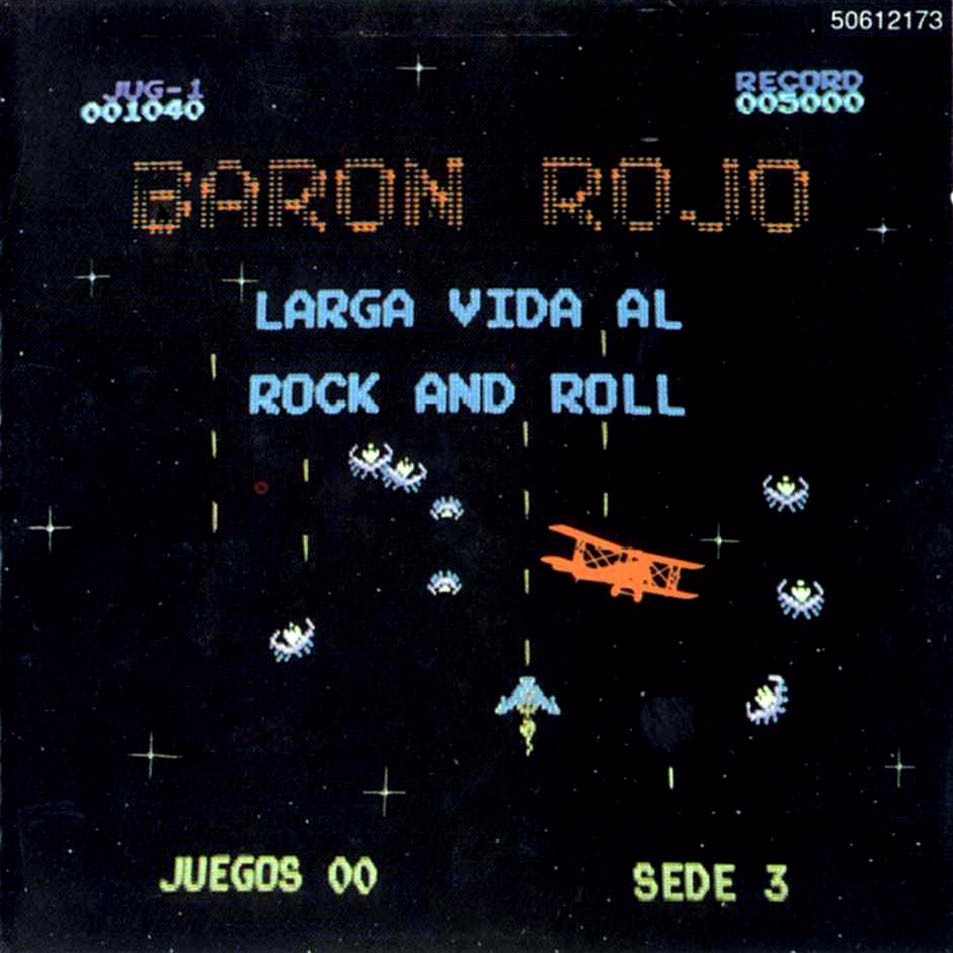
The lyrics paint a portrait of a legendary aviator, the "Mítico Barón," whose "vuelo fugaz" (fleeting flight) in his "gran avión" (great plane) is now a memory. The narrator questions where this pioneering spirit, whose passion was the air, has gone. It's a lament for a lost era of heroism, tinged with the tragic irony that another plane ultimately destroyed him, cutting short his audacious journey.
The central tension lies in the transformation from national hero to a mere "cómic en papel" (comic on paper), a fall from grace that the lyrics surprisingly frame not as a "mal final" (bad ending). Instead, the narrator asserts that in his "rojo avión" (red plane), the Baron will fly "sin cesar" (without ceasing), suggesting a form of immortality through legend. This reframes his destruction not as an end, but as a catalyst for eternal, albeit spectral, flight.
The writing crafts a powerful sense of mythmaking. The Baron is elevated to an "amo de las nubes" (master of the clouds) and "señor del viento" (lord of the wind), living a "sueño triste y solitario" (sad and solitary dream) while "surcando el cielo" (soaring through the sky). This imagery elevates his existence beyond the physical, suggesting his spirit transcends the war that ended and the world's ongoing "tensión" (tension).
This lyrical approach resonates because it transforms a potentially tragic figure into an enduring legend. The narrator's insistence that the Baron's "triste misión" (sad mission) did not extinguish his glory offers a comforting narrative of legacy. The final lines, imagining him as a "capitán de una nave espacial" (captain of a spaceship) if he lived today, further emphasize this enduring, adaptable spirit, suggesting his pioneering drive would find new frontiers.
 View Artist