Song Meaning
The lyrics open with a childhood lesson: changing the world isn't about power, but about choosing love. This sets up a reflective, earnest tone, immediately contrasting conventional notions of influence with a more compassionate path. The speaker then questions life's ultimate purpose, asking if we "lived for more." It's a direct challenge to consider what truly matters in the face of our finite existence.
The core tension lies between individual mortality and the lasting impact one can have. The lines "everyone will pass" and "breathed our last" confront the brevity of life, prompting an urgent self-examination: did we truly "live to die for" something meaningful? This existential query grounds the abstract concept of love in a very human desire for purpose, pushing the listener to consider their legacy.
The most striking craft element is the personification of "love" as a marching, active force, driven by a mysterious "his heartbeat." This isn't passive affection; "the sound of love is marching" paints a vivid, kinetic picture of an unstoppable movement. The repeated "La-la-love la-love" acts like a rallying cry, transforming an emotion into a collective, rhythmic pulse that feels both ancient and immediate.
These lyrics effectively connect personal vulnerability with a grand, transformative vision. The idea that "when our hearts begin to break / Along with his, this world will change" suggests that shared pain and empathy are not weaknesses, but catalysts for collective change, aligning individual suffering with a larger, guiding rhythm. It frames love as an active, unifying force, not just an emotion, but a movement with a beat.
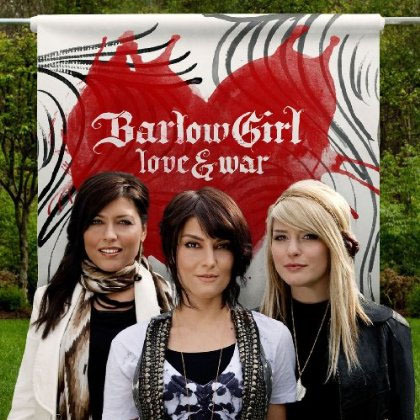
 View Artist