Song Meaning
The lyrics paint a picture of a fashion landscape that feels alienating and restrictive. The narrator observes that clothes no longer fit "you and me," suggesting a disconnect between current trends and personal comfort or identity. This shift is characterized by a move away from "modesty" towards "flaunting," a directive that feels imposed rather than chosen. The initial tone is one of observation, tinged with a sense of bewilderment at these changing standards.
The core tension arises from external pressure to conform to a specific, revealing style versus an internal desire for authenticity and comfort. The lyrics describe a voice, presumably from the fashion industry, dictating what to wear for perceived social gain: "Don't ask why, just wear what we say." This creates a conflict between obedience for the promise of "attention" and the personal cost of such compliance, leading to a feeling of being exposed and vulnerable, literally "caught a cold" despite looking "hot."
The most striking craft element is the direct contrast between the imposed "they say" and the reclaimed "we say" in the chorus. This structural shift signifies a powerful act of defiance and self-determination. The narrator moves from passively receiving fashion dictates to actively questioning them, rejecting the superficial allure of being a "model" for a more grounded, self-assured stance. The simple declaration, "Clothes that fit are fine," becomes a radical statement of personal agency.
This lyrical arc is effective because it grounds abstract societal pressures in concrete, relatable discomfort. The feeling of ill-fitting clothes, the literal chill from being underdressed, and the desire to "fit in" all tap into a common experience of navigating external expectations. By articulating a clear pivot from passive acceptance to active rejection, the lyrics offer a cathartic affirmation of self-acceptance over fleeting trends.
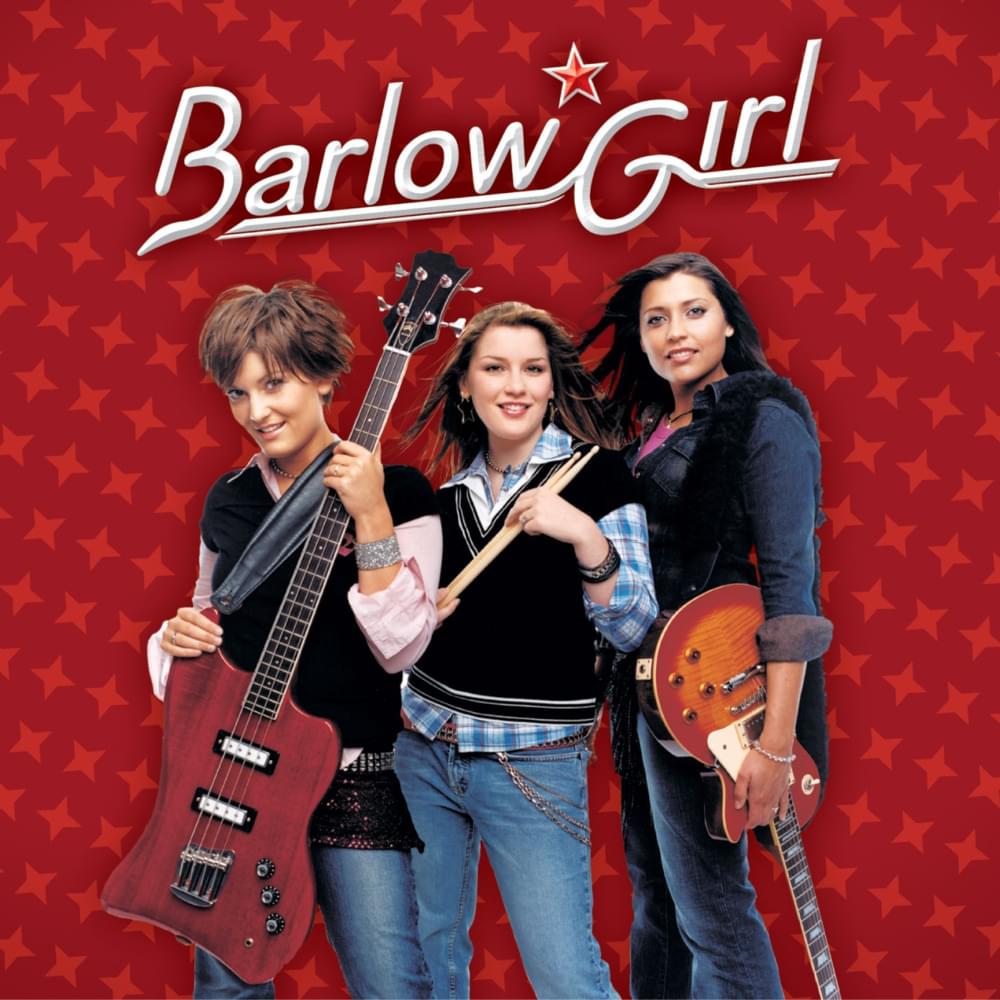
 View Artist