Song Meaning
The lyrics paint a stark picture of a son's departure from his father, marked by a profound emotional distance. There's a sense of duty, "nothing more," but a clear absence of warmth. The father is acknowledged as the "great provider," yet the connection feels purely functional.
The core tension lies in this transactional bond, where the son explicitly states he "never said that I liked you the most." This blunt admission, coupled with the "Who's the Holy Ghost?" query, suggests a missing spiritual or emotional third element in their relationship, highlighting an incomplete trinity. It's a relationship defined by obligation, not affection.
The scene at "the edge of the drive" captures a poignant moment of unspoken expectation. The son waits for "any last words," but the subsequent "I don't think you heard" reveals a failed attempt at connection as the car pulls away. This quiet, unreceived call underscores the persistent emotional chasm, echoed by the recurring hook, "Where does the time go / When it's not around here?", which hints at a longing for time spent differently or a mystery of unshared life.
The lyrics culminate in a powerful metaphor for diverging futures, where the father's path narrows as the son's expands. This imagery perfectly encapsulates the son's burgeoning independence against the backdrop of his father's perhaps contracting life. The final, detached wave to the "great provider" solidifies the son's acceptance of their limited bond, acknowledging the father's role while stepping firmly onto his own, expansive path. The writing makes the quiet resignation and the bittersweet freedom palpable.
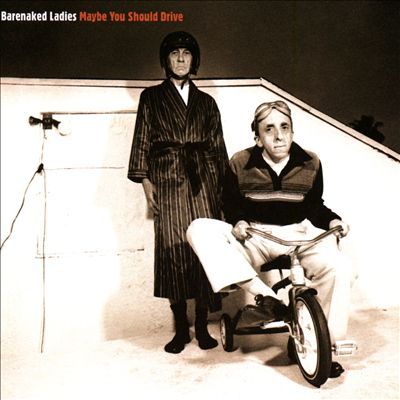
 View Artist