Song Meaning
The narrator contrasts past anxieties with a present, overwhelming dread that paralyzes them. "Typical things" once occupied their thoughts but never caused genuine suffering; they didn't "take the wind right out of me." This suggests a shift from minor worries to a profound, almost existential fear that has fundamentally altered their perspective and brought them to their knees. The present state is one of helplessness, acknowledging "nothing I can do" even if they desired to act.
The core tension arises from the unspoken, deeply unsettling fears that the narrator and a "you" cannot articulate or escape. The phrase "God forbid" becomes a desperate, almost superstitious utterance against the possibility of finding words to describe their shared inability to confront these internal terrors. It's a recognition that naming the fear might make it more real, yet the silence is equally unbearable. This is amplified by the narrator's admission of disbelief in a higher power, yet the ritualistic repetition of "God forbid" persists, highlighting the deep-seated nature of this dread.
The lyrics masterfully employ repetition and contrast to convey this emotional weight. The recurring line "I used to worry about typical things" serves as a stark marker of how far the narrator has fallen into this abyss of fear. The repeated refrain "God forbid you and I / Ever find better words to describe" emphasizes the shared paralysis and the desperate hope that the unspeakable remains unsaid. The narrator's intellectual disbelief versus their emotional compulsion to utter "God forbid" creates a fascinating internal conflict, showing how ingrained certain responses can become even when logic dictates otherwise.
This writing is effective because it taps into a universal human experience: the terror of facing an unknown or overwhelming dread that defies rational explanation or articulation. The narrator's struggle isn't about a specific external threat but an internal landscape of fear so potent it renders them immobile. The power lies in the unspoken, the acknowledgment of a shared, profound anxiety that binds them even as it isolates them, making the simple phrase "God forbid" a potent encapsulation of their deepest, most frightening possibilities.
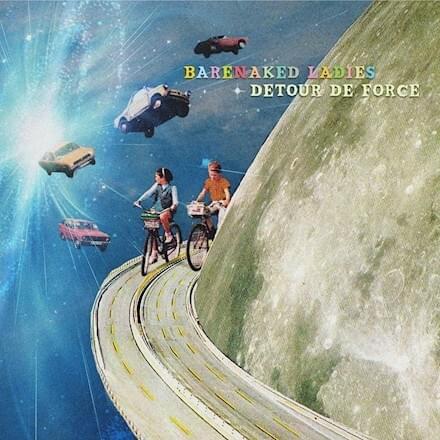
 View Artist