Song Meaning
The lyrics paint a picture of life's relentless march, even in the face of personal stakes and profound weariness. We open with a gambler, a potent image of risk and consequence, where a single moment holds "a lifetime in his hand." This high-stakes drama, however, is immediately juxtaposed with the grander, indifferent flow of existence: "But the world goes on forever." The narrator then shifts to a more introspective, cyclical view of life, recalling "shadows played upon the wall" and the inescapable cost of choices, "You pay the piper to call the tune." This sense of ongoing, perhaps predetermined, progression is echoed in the refrain, "And the song goes on forever."
This persistent forward motion creates a central tension between individual struggle and the vast, impersonal continuum of time. The narrator admits to moments of deep exhaustion, "Times when I was tired and lost my way," even contemplating surrender: "Thinking that I could stay here." Yet, the lyrics suggest an inherent resilience, a call to action that transcends personal despair. The recurring image of the bird, urging the listener to "Leave it all behind and spread your wings," offers a powerful counterpoint to the feeling of being stuck or overwhelmed.
The most striking craft element is the repeated contrast between finite human experience and infinite natural cycles. The gambler's single hand versus the world's forever, the piper's tune versus the song's forever, and the individual's weariness versus the world that "moves on forever." This structural device emphasizes the scale of existence against which personal dramas unfold. The simple, direct command to "spread your wings" acts as an anchor, a recurring motif of hope and liberation amidst the larger, more abstract forces at play.
Ultimately, these lyrics resonate because they acknowledge the weight of our struggles while simultaneously offering a path toward release. The writing doesn't dismiss the pain of being "tired and lost," but it frames it within a larger context where continuation is inevitable. The call to shed burdens and embrace freedom, embodied by the bird's flight, provides a sense of agency and enduring possibility, suggesting that even when faced with the world's indifferent march, personal renewal is always within reach.
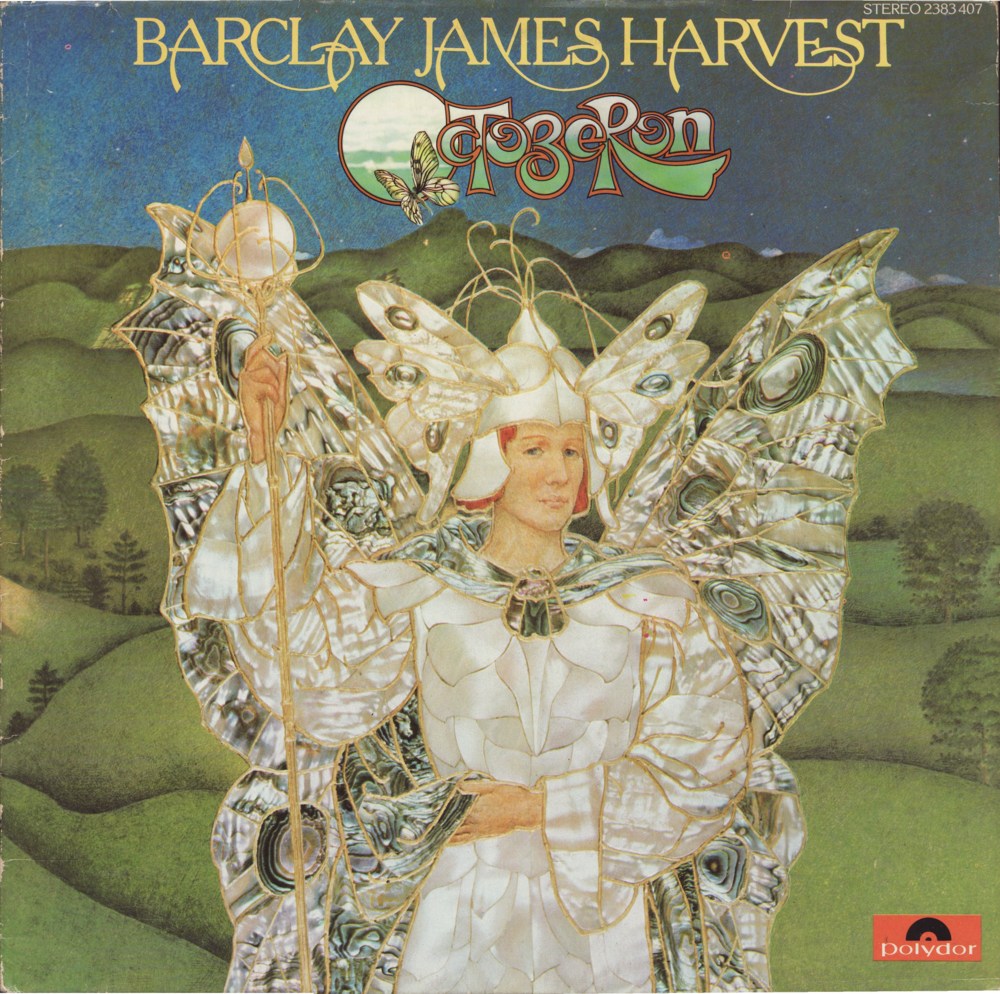
 View Artist