Song Meaning
The lyrics paint a tender, melancholic picture of a child, Maria Vitória, who has departed, perhaps through death, to a fantastical 'Neverland' carried by a cloud. The narrator addresses this child directly, revealing a profound sense of loss and a longing for connection. The imagery of a friend named Rafael waiting in this magical realm suggests a hope that Maria Vitória is not alone and will find companionship, even if that companionship was absent in the narrator's own life. The act of sending a kiss through Maria Vitória to her parents, while receiving a hug for her, highlights the bittersweet exchange of comfort and grief between the living and the departed.
The central tension lies in the narrator's struggle to reconcile the child's absence with the desire to maintain a connection, however ethereal. The phrase "não te foste embora" (you didn't go away) directly contradicts the journey to Neverland, underscoring the narrator's difficulty in accepting the finality of the departure. This creates a poignant emotional landscape where the child is both gone and perpetually present in the narrator's thoughts and memories. The narrator seems to be navigating a space between reality and imagination, trying to make sense of a profound loss.
The most striking craft element is the repeated assertion that Rafael and Maria Vitória "Vão ser pequenos para sempre" (will be small forever), directly referencing the world of Peter Pan. This refrain, repeated three times, anchors the song in a specific literary allusion that offers a comforting, albeit fantastical, resolution to the grief. It suggests that in this imagined Neverland, the child is preserved in a state of eternal innocence and youth, a stark contrast to the adult pain of loss experienced by the narrator. The names themselves, Rafael (angelic) and Maria Vitória (victory/story), add layers of meaning, hinting at a divine or narrative destiny for the child.
These lyrics resonate because they translate complex grief into gentle, evocative imagery. The narrator’s attempt to create a bridge between worlds—sending kisses and receiving hugs—is a deeply human response to loss. The persistent refrain about eternal childhood offers a fragile but persistent hope, a way for the narrator to process the pain by envisioning a peaceful, unchanging existence for Maria Vitória. The writing avoids overt sentimentality, instead relying on specific, dreamlike details to convey the depth of sorrow and the enduring power of love.
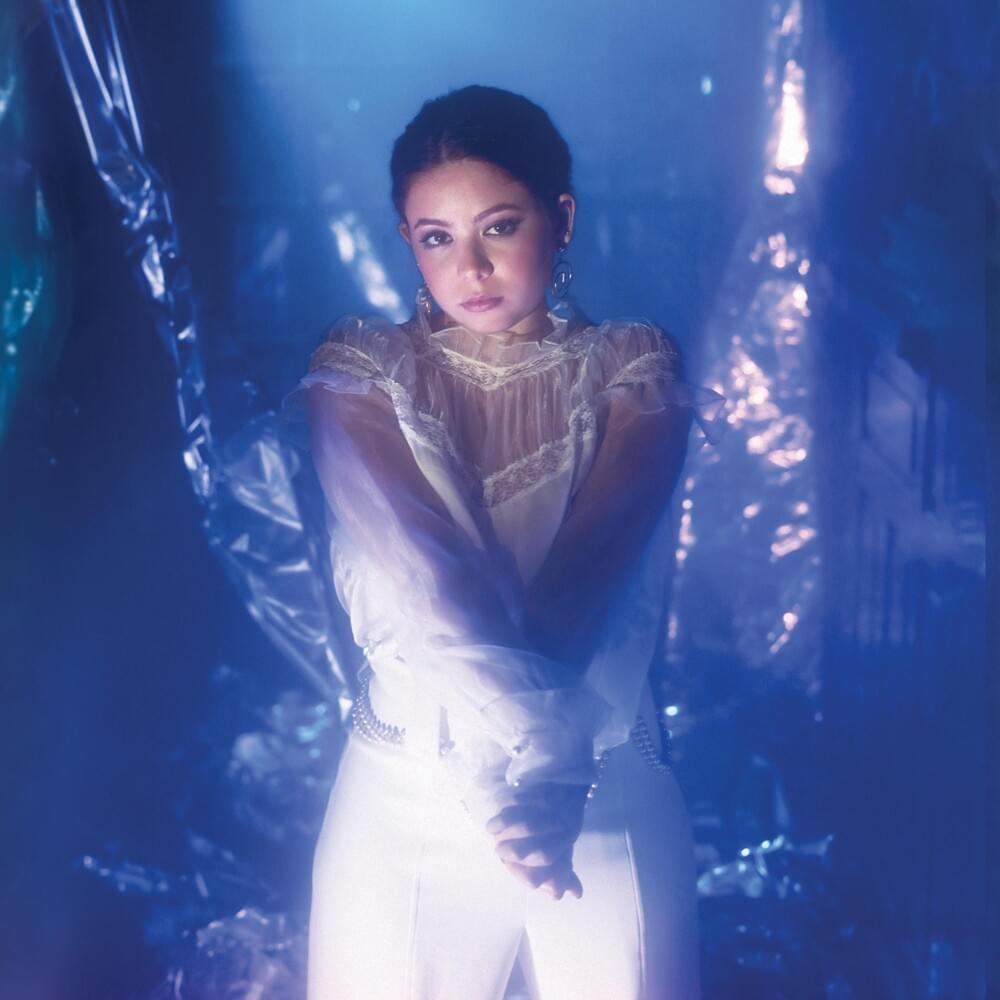
 View Artist