Song Meaning
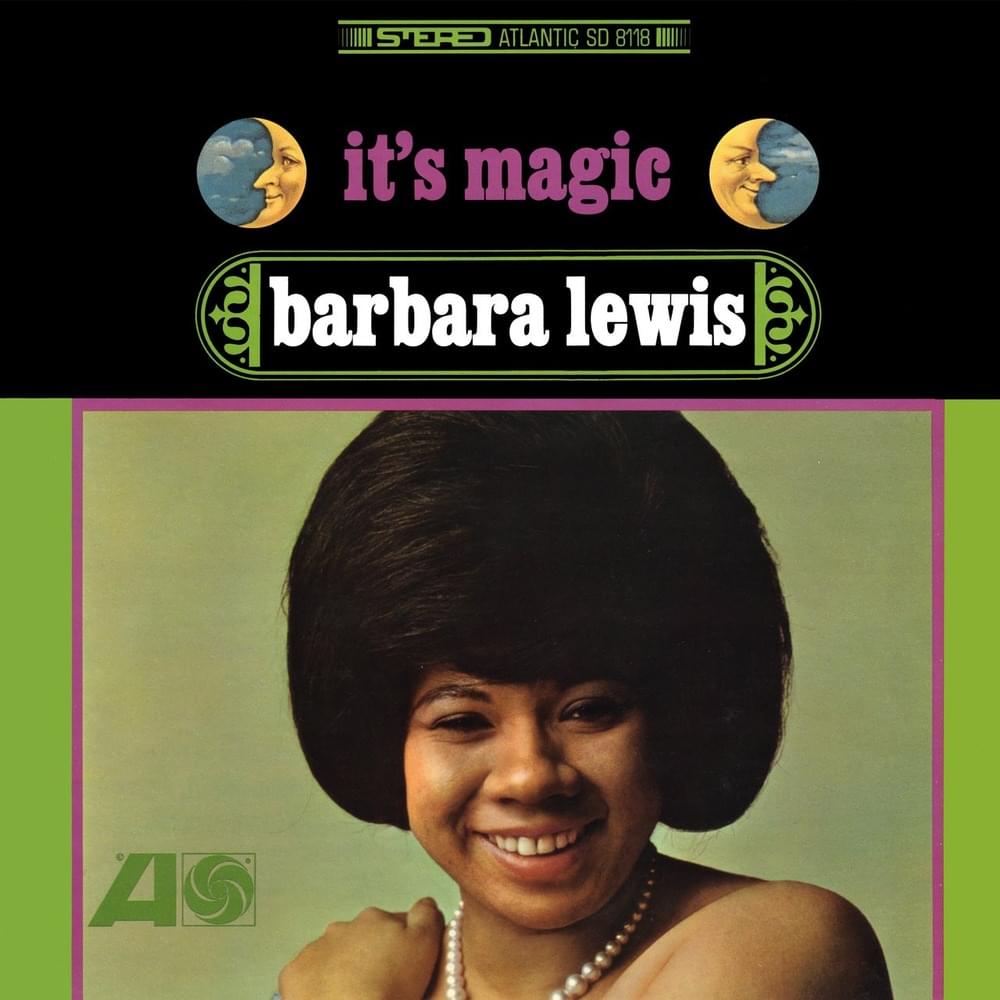
Barbara Lewis's rendition of "Since I Fell for You" isn't just a song; it's a masterclass in emotional self-sabotage, dipped in the bittersweet honey of 60's soul. The song's core revolves around the agony of unrequited love, a theme as old as time, yet Lewis delivers it with a raw vulnerability that cuts deep. It's a portrait of someone caught in a loop, fully aware of the imbalance – "When you just give love / And never get love / You'd better let love depart" – yet utterly powerless to break free. The rational mind screams for self-preservation, but the heart, that stubborn organ, refuses to listen. This is the crux of the song meaning.
The repeated phrase "Since I fell for you" acts as a haunting refrain, marking a before-and-after in the singer's life. Before, there was a "happy home"; after, only "misery and pain." The lyrics don't shy away from the masochistic element inherent in such devotion. There's a sense of resignation, even a perverse comfort, in the suffering. The line "You love me, then you snub me / Oh, what can I do" encapsulates the push-pull dynamic, the tantalizing glimpses of affection that keep the singer tethered to this destructive relationship. It's the intermittent reinforcement that makes the addiction so potent.
Ultimately, "Since I Fell for You" speaks to the universal human tendency to cling to what hurts us, to find familiarity and a warped sense of identity in our pain. The blues that descend "most every night" aren't just a symptom of heartbreak; they're a reminder of the singer's choice, a testament to the enduring power – and sometimes, the crippling curse – of love's irrational hold.
 View Artist