Song Meaning
Barbara Lewis's "Pushin' A Good Thing Too Far" isn't just a soulful lament; it's a masterclass in relationship boundary setting, disguised as a classic R&B groove. The song's core revolves around the delicate balance of power within a romantic connection, and the perilous point where affection curdles into exploitation. Lewis's protagonist finds herself at that critical juncture, recognizing that her willingness to yield has been misconstrued as a perpetual green light. The repeated phrase "From the beginnin', you've been winnin', I've been givin' in to you" establishes a history of imbalance, a pattern of concession that has seemingly emboldened her partner to test the limits. But there is a turning point; she declares she is at 'the point of no return.'
The song meaning deepens as Lewis introduces the element of public perception. The lyrics "It's like a slap across my face...Now everybody's talkin' 'bout it" suggest that the partner's transgressions aren't merely private offenses but have become a source of public shame and embarrassment. This adds another layer to the protagonist's internal conflict. It's not just about personal pain; it's about the erosion of her dignity and the social consequences of staying in a relationship that's clearly gone sour. The external pressure from others urging her to leave amplifies the internal struggle. It highlights the universal experience of friends and family witnessing a toxic dynamic and offering (often unheeded) advice.
Ultimately, "Pushin' A Good Thing Too Far" is a song about reclaiming agency. The spoken interjections – "Better listen good to what I'm sayin', No more kissin' till you stop playin' games" – represent a firm stance against further manipulation. It's a refusal to be placated by empty words or superficial gestures of affection. The ultimatum is clear: change your behavior, or lose me. The repetition of "You're pushin' a good thing too far" serves as both a warning and a declaration of independence. While the protagonist still admits to wanting the partner ("oh I want you to keep pushin'"), she simultaneously asserts her self-worth and demands respect. The tension between desire and self-preservation is what makes this song so emotionally resonant, capturing the complex push-and-pull of relationships where love and exploitation become dangerously intertwined.
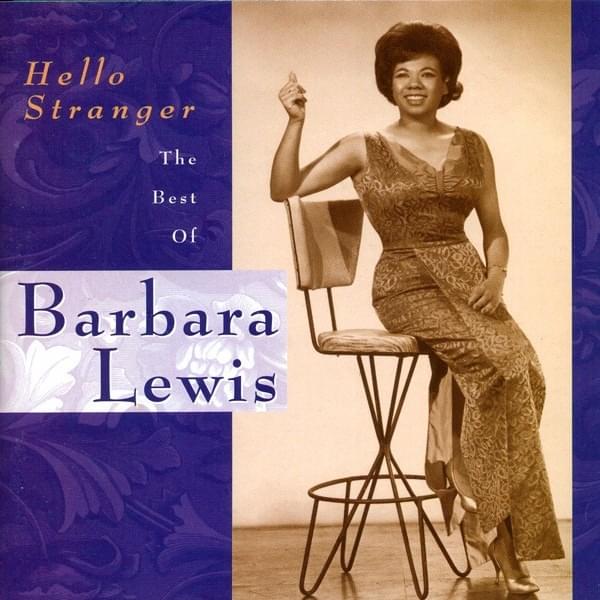
 View Artist