Song Meaning
The narrator is drawing a hard line, declaring an absolute end to a relationship that has caused significant pain. The opening lines are stark and definitive: no more calls, no more visits, and crucially, no more nights spent weeping. This isn't a plea for reconciliation; it's a declaration of independence from a cycle of hurt. The repeated phrase "I'm through with you" acts as a powerful, almost ritualistic, pronouncement of finality.
The core of the song hinges on the unique, devastating impact this specific person has had. The lyrics emphasize that no one else has inflicted such profound loneliness or reduced the narrator to tears "like a kid." This isn't just about a breakup; it's about an unparalleled level of emotional damage, a specific kind of heartbreak that feels uniquely inflicted by this individual. The narrator is not just leaving a relationship, but escaping a singular source of deep emotional wounding.
The craft here is in its bluntness and repetition. The simple, declarative sentences build an undeniable momentum, hammering home the narrator's resolve. The direct address, "You hear me boy," adds a layer of confrontational urgency, as if the narrator needs to ensure the message lands with full force. The contrast between the childish imagery of crying "like a kid" and the adult decision to "close the door" highlights the regression the relationship caused and the mature step being taken.
This directness is precisely what makes the lyrics so effective. There's no flowery language or complex metaphor, just raw, unvarnished emotion. The repeated assertion of being "through" serves as an anchor, reinforcing the narrator's commitment to moving on. It’s the sound of someone finally reclaiming their emotional territory after being pushed too far, making the decision to leave feel earned and resolute.
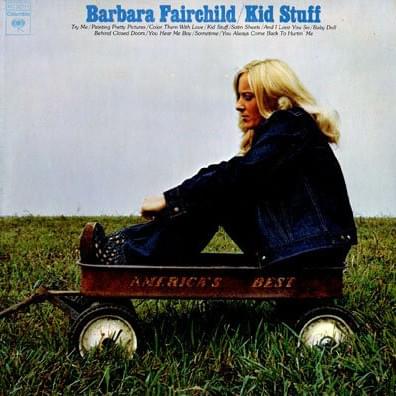
 View Artist