Song Meaning
The lyrics paint a stark picture of loss, where a house once filled with love becomes a prison of memory. The narrator is acutely aware of a departure, stating, "I watched you leave," yet their "heart keeps telling me I'm wrong." This immediate tension between knowing and feeling sets a deeply melancholic tone, as the home itself transforms into a "haunted house" when the lights go out.
The core conflict here is the speaker's internal struggle against an undeniable absence. They experience vivid memories as sensory details, seeing a face before them every night and sometimes hearing footsteps. This isn't just passive grief; it's an active battle where the past isn't just remembered but relived, making the present unbearable as arms instinctively reach out.
The central metaphor of the "haunted house" is masterfully developed, evolving from a mere setting to an active antagonist. Initially, it's a place where memories surface, but by the third stanza, the house itself is "killing me." Crucially, it's not just the departed person, but "the ghost of your love" that "won't set me free." This shift personifies the love itself as the haunting entity, trapping the speaker in a cycle of sorrow. The house, once "filled with love for you," now weaponizes that very affection against them.
The power of these lyrics lies in their raw, unflinching depiction of grief's relentless grip. The repetition of "Each morning finds me crying and alone" underscores the inescapable, cyclical nature of the pain, suggesting no respite even with the dawn. The final, echoing lines, "In this haunted house, we used to call our home," deliver a gut punch, emphasizing the cruel irony of a once cherished space becoming a source of torment.
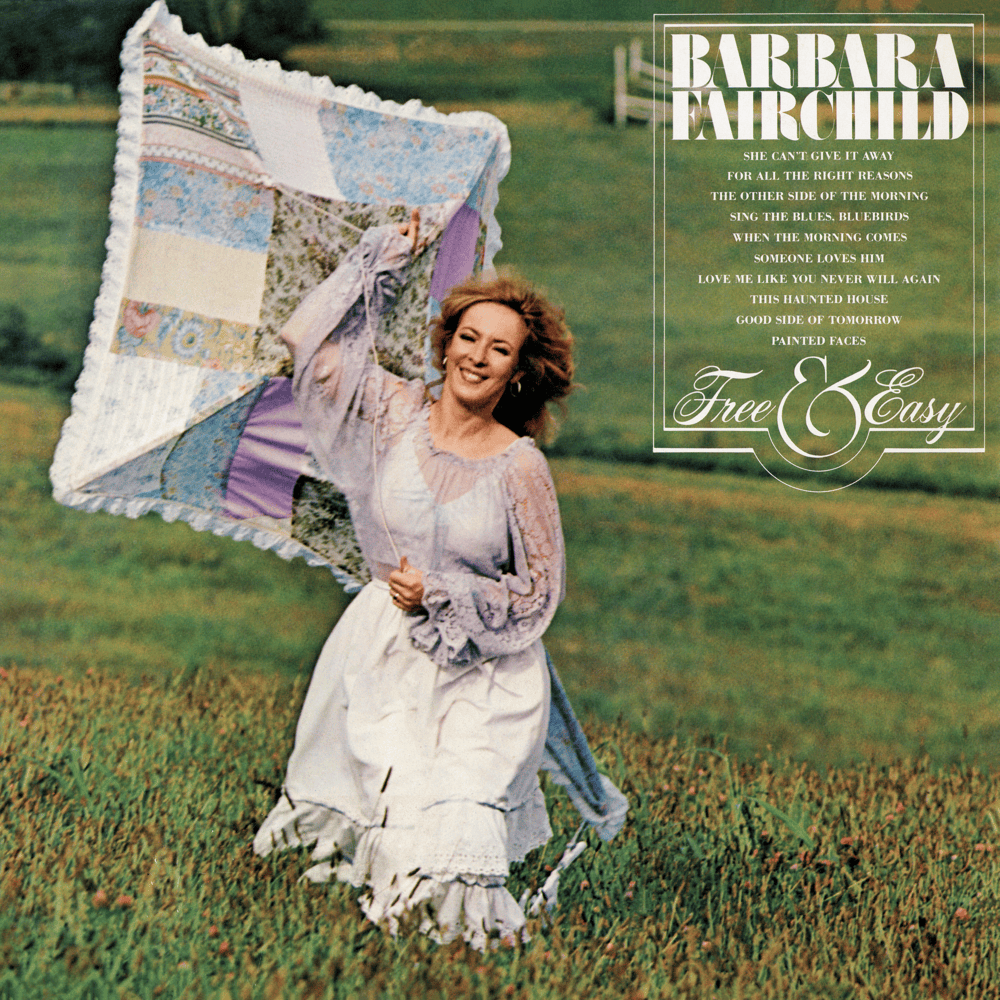
 View Artist