Song Meaning
The narrator is desperately trying to deny a harsh reality, pleading for it to be untrue. The opening lines immediately establish a tone of disbelief and a yearning for escape, framing the situation as a "story" or something from "the news." This sets up a central conflict: the stark contrast between what is undeniably present and the narrator's desperate wish for it to be mere fiction.
The lyrics lean heavily on theatrical and cinematic metaphors to distance the speaker from the truth. The situation is repeatedly framed as an "old movie," specifically referencing "Marilyn Monroe's," suggesting a sense of dramatic, perhaps tragic, performance rather than lived experience. The idea of "clowns" and "players in the limelight" further emphasizes this performative aspect, implying that the events are staged and can be concluded with a "curtain down" or simply "turned over" like a radio show.
This denial is reinforced by the repeated plea, "Tell me it's not true." The narrator seeks reassurance that it was all a "dream," "pretend," or a "game" that can be reset. The repetition of "Say it's just a scene" and the comparison to an "old movie" highlight the narrator's attempt to reframe the present as something already concluded and safely distant, rather than an ongoing, painful reality.
Ultimately, the effectiveness of these lyrics lies in their raw portrayal of denial as a coping mechanism. The constant invocation of fictional scenarios—movies, dreams, games—underscores the immense pain the narrator is trying to avoid confronting. It’s this visceral struggle against an unshakeable truth, articulated through repeated pleas and theatrical imagery, that makes the emotional weight of the lyrics so palpable.
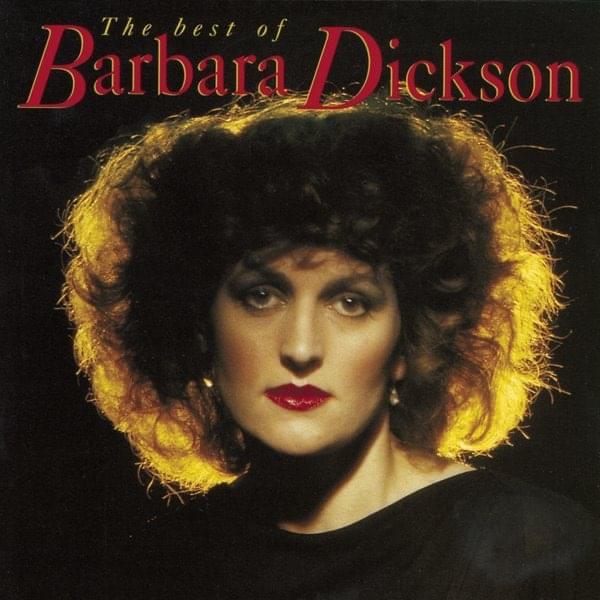
 View Artist