Song Meaning
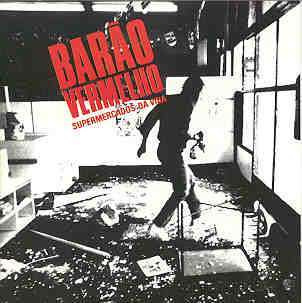
The lyrics immediately plunge into a cynical observation: a "supermarkets of life" where people are defined by their "prices." This marketplace, the narrator suggests, is where individuals readily "vendem suas almas" (sell their souls), highlighting a transactional view of human worth. It sets a stark, disillusioned tone from the outset.
The core tension lies in the paradox of material abundance coexisting with profound spiritual decay. The phrase "farta mesquinharia" (abundant meanness) is particularly striking, as the lyrics describe "cheques e moedas" rolling in their hands and heads. This material focus, however, leads to a "visão é embaçada" (blurred vision), suggesting that true happiness is aspired to "muito longe" (very far away), perpetually out of reach.
The sustained supermarket metaphor is a powerful craft element, evolving from a simple transactional space to one with "prateleiras de mau caratismo" (shelves of bad character). This imagery is amplified by visceral comparisons: people are like "corações congelados" (frozen hearts) in a broken freezer, or "porcos na lama" (pigs in the mud). These stark images paint a grim picture of stagnant, self-inflicted degradation, where lives become "lixo que são suas vidas" (the trash that are their lives).
The repeated refrain, which opens and closes the piece, acts as a grim, inescapable truth, reinforcing the pervasive nature of this moral rot. The lyrics' raw, unflinching language and stark imagery effectively convey a deep sense of disillusionment. This self-serving existence, the narrator suggests, ultimately "destroem o prazer de viver" (destroys the pleasure of living) for those trapped within its confines.
 View Artist