Song Meaning
The lyrics paint a visceral picture of a ritualistic space, thick with the scent of incense and decay. Nine candles flicker, casting shadows in a scene steeped in what the narrator calls "true darkness." This isn't just a setting; it feels like a chosen environment, a deliberate embrace of the morbid and the profane. The juxtaposition of "love is sacred" with "hate be eternal" immediately signals a rejection of conventional morality, setting up a core tension.
The central conflict seems to reside in the narrator's internal state, a "loneliness, temple inside my head," contrasted with a powerful external invocation. This internal void is filled by an external force, identified as "O, Satan." The lyrics suggest a profound spiritual or psychological turning point, where despair and waiting are constants, and the presence of "Hell" is not confined to a future event but is an ever-present reality.
The most striking craft element is the deliberate inversion of sacred imagery. The "altar of serpent," "morbid odor of human skull," and "odor of fornication and flesh" replace traditional religious iconography. This creates a potent, unsettling atmosphere, transforming a space of supposed worship into one of dark, carnal, and eternal devotion. The repeated emphasis on "power" – "source of my power," "my power" – underscores the personal gain sought through this dark pact.
This writing is effective because it immerses the listener in a specific, unsettling sensory experience and a radical worldview. The stark contrasts and the intense, almost devotional language directed towards a figure of ultimate rebellion create a powerful, albeit disturbing, emotional resonance. It's the unflinching commitment to this dark aesthetic and the personal empowerment derived from it that makes the lyrics so compellingly grim.
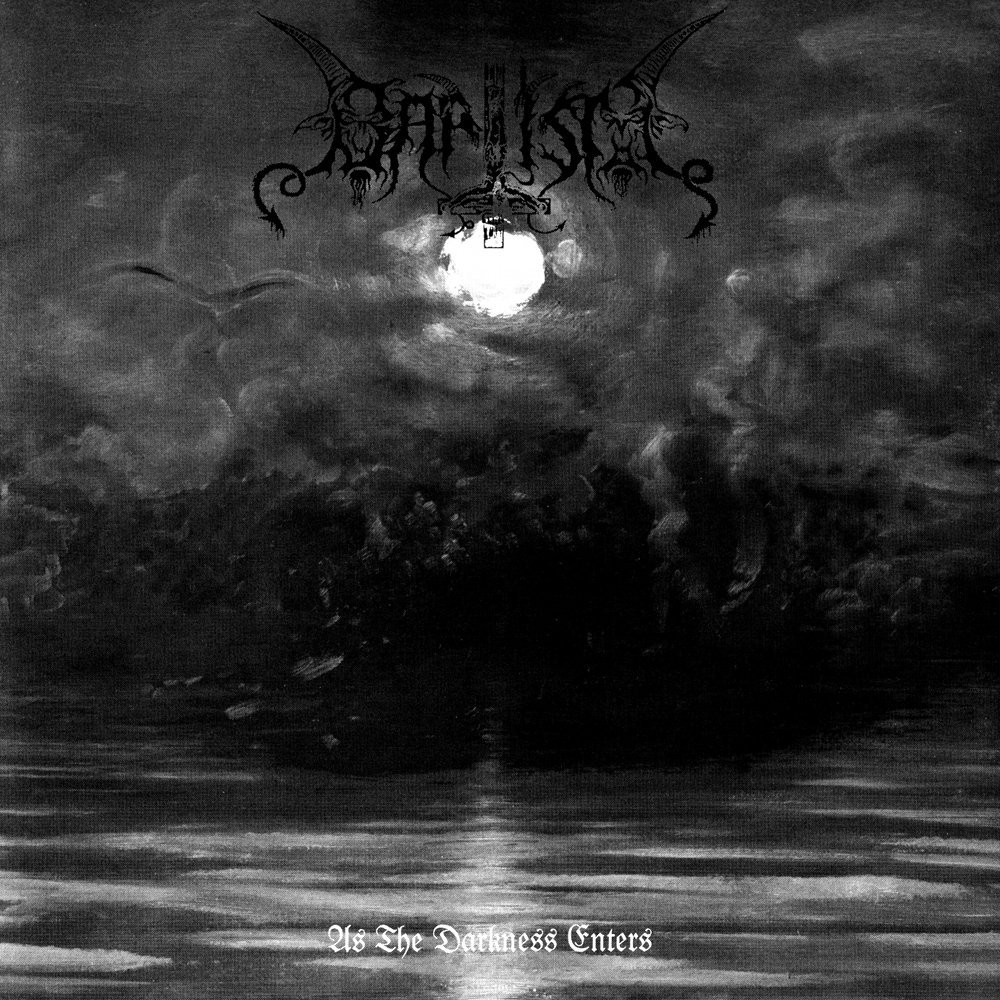
 View Artist