Song Meaning
The lyrics paint a stark contrast between a clear, confident past and a disoriented present. In a "one American morning" when the narrator was young, the path forward was "clear as day," with a defined relationship ("you were my baby") and a sense of closeness. This idyllic memory is shattered by the current reality of wandering "lost in this town / Just like a ghost," a profound disorientation that suggests a deep emotional or existential drift. The shift from certainty to aimless wandering is the immediate emotional hook.
The central tension arises from the narrator's disillusionment with the adult world and its demands, juxtaposed with a lingering, perhaps subconscious, desire for the simpler, more magical narratives of youth. The adult world is characterized by a cynical pursuit of "fortune and fame," a "life" that feels like a "fight," and a "game" that has become boring. This is amplified by the societal tendency to seek "just one more chance / And someone to blame," a cycle the narrator feels trapped in, despite knowing they "should know better."
The most striking craft element is the repeated refrain, "Now I'm too old for fairytales." This phrase acts as a self-imposed limitation, a declaration of resignation to the harsh realities of adulthood. Yet, the lyrics subtly undermine this certainty. The narrator admits they "can't be told / That I'm too old / For fairytales," hinting at a persistent, perhaps even rebellious, spark that refuses to fully extinguish the belief in something more magical or meaningful. This internal conflict between weary acceptance and a buried hope is the core of the song's emotional weight.
Ultimately, these lyrics resonate because they capture the feeling of lost direction and the weariness that can accompany the pursuit of conventional adult goals. The writing effectively uses the stark imagery of being "lost in this town" and the weary repetition of being "tired" to convey a deep sense of disillusionment. The subtle defiance in the final lines, the refusal to be definitively "told" they are too old for fairytales, offers a glimmer of complexity, suggesting that the desire for wonder might still exist, even beneath layers of adult cynicism and exhaustion.
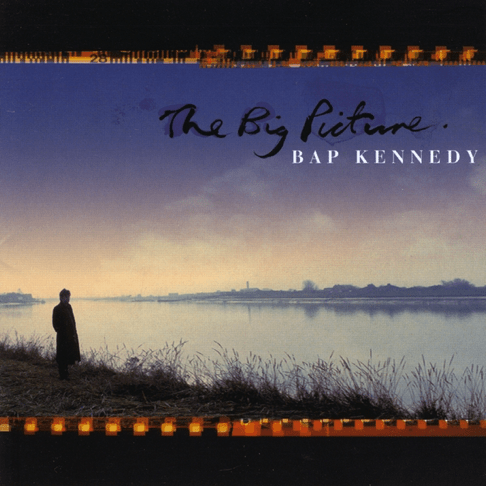
 View Artist