Song Meaning
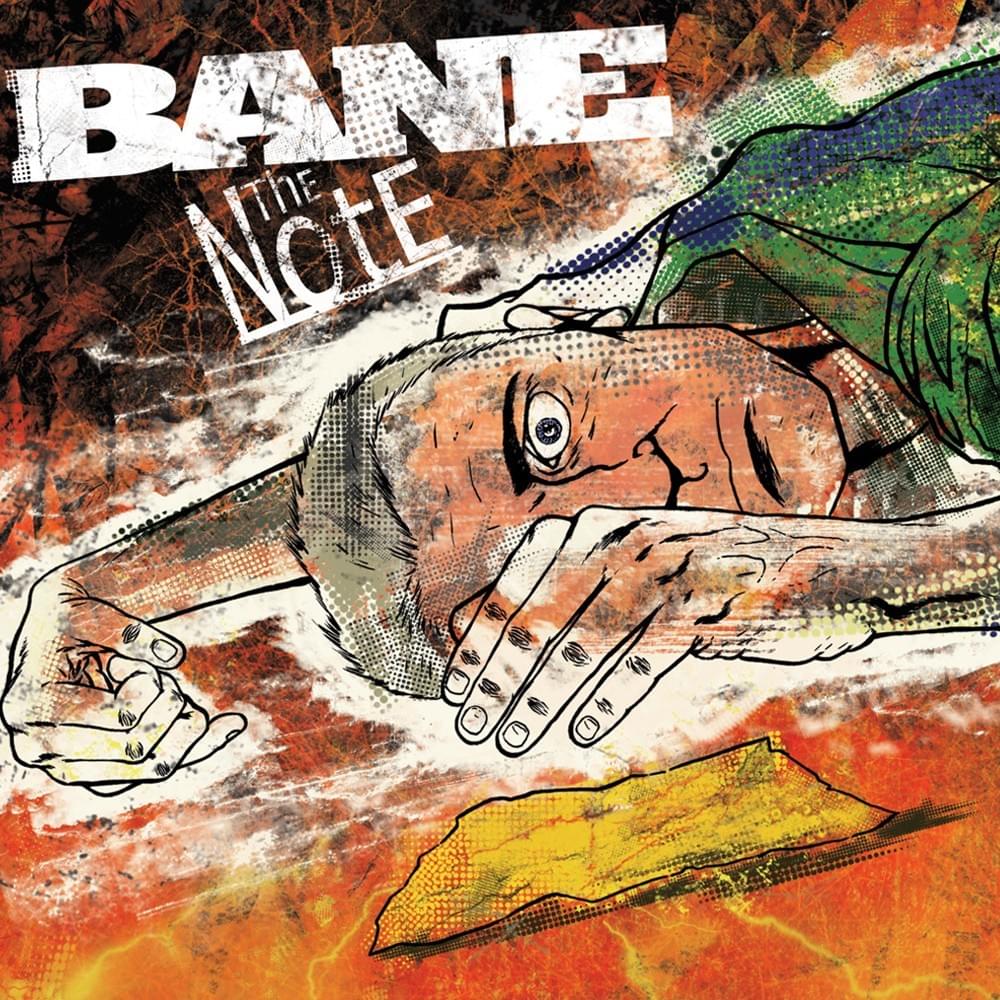
The lyrics lay bare a desperate plea for reassurance, a raw questioning of purpose and conviction. The narrator sits alone, wrestling with doubt, needing external validation that their efforts and ideals haven't been in vain. They're asking if the core values they hold dear – authenticity, unity, and a commitment to youth – still resonate, or if they've succumbed to the very compromises they once fought against. The repeated "Tell me that..." functions as a mantra of vulnerability, a desperate attempt to anchor themselves against an encroaching sense of futility.
The central tension lies in the narrator's wavering faith, both in their own resolve and in the collective spirit they represent. They fear becoming "just as cheap as everyone else" or "just as broken as everything else," highlighting a profound anxiety about losing their integrity. This internal struggle is amplified by the external pressure to maintain ideals, symbolized by the "loud guitars backed by loud ideals." The narrator is on the precipice, questioning if these external expressions still hold genuine meaning or if they've become hollow performatives.
The most striking aspect is the shift from demanding pronouncements to a plea for shared action and belief. The repeated call to "Tell me that..." culminates in a direct challenge: "It's your turn...I wanna hear it." This isn't just about receiving answers; it's about witnessing the commitment of others. The narrator is on their "fucking knee's," a posture of supplication and exhaustion, indicating that their own voice is faltering and they need the collective to pick up the mantle, to "yell it" before they completely disengage.
This song hits hard because it articulates a universal fear of disillusionment, especially within movements or communities driven by passion. The raw, almost pleading tone, coupled with the stark imagery of isolation and the fear of becoming "broken," makes the narrator's struggle palpable. The craft lies in the direct, unvarnished questioning and the build-up to the urgent demand for shared vocalization, transforming a personal crisis of faith into a communal test of conviction.
 View Artist