Song Meaning
The lyrics paint a stark picture of a mind adrift, grappling with a pervasive sense of unhappiness. The opening lines, "É o pensamento agora / É do relento," immediately establish a feeling of being exposed and vulnerable, with thoughts wandering in the cold. This sets a somber tone, as the narrator declares, "Eu sei bem / Não dá mais pra ser feliz," a definitive statement of lost joy.
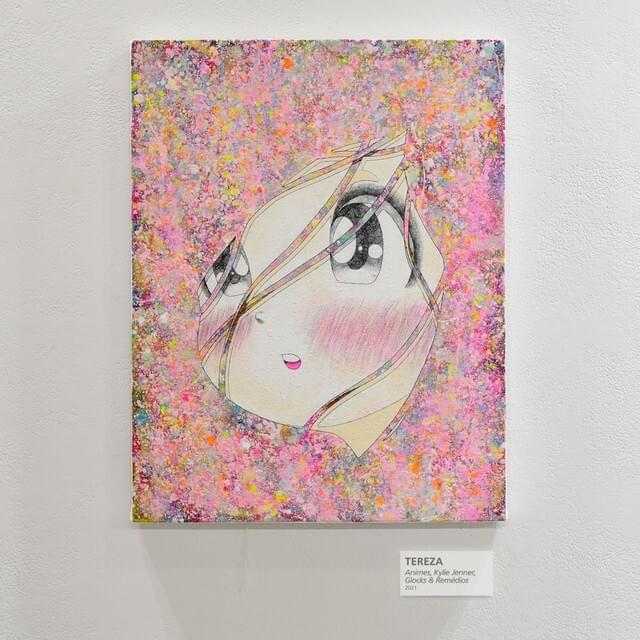
The central tension emerges from the contrast between youthful aspirations and harsh realities. The narrator reflects on "ensino médio" (high school) and juxtaposes it with a stark image of "glocks e remédios" (Glocks and remedies/medication), suggesting a path derailed by violence and escapism. This is further amplified by the chorus, which describes a rapid descent into a life of consumption and distress: "Corte do cartão / Bala e CH não / Eu quero a nova / A explosão / Prozac na fatura / Olha quanta fartura." The imagery of credit card cuts, pills, and a desire for explosive experiences, coupled with the mention of Prozac on the bill, highlights a cycle of seeking solace through destructive means, ironically framed as "fartura" (abundance).
A key craft element is the deliberate pacing suggested by "Eu sei que a luz / Brilha sempre devagar" (I know the light / Always shines slowly). This slow-burning hope or realization is violently interrupted by the chorus's "E acelerou" (And it accelerated), creating a jarring effect that mirrors the suddenness of the narrator's perceived downfall. The repetition of verses reinforces the cyclical nature of these thoughts and feelings, trapping the narrator in a loop of regret and a desperate desire to escape: "Eu quero ir embora" (I want to go away).
Ultimately, the lyrics resonate because they capture a specific, yet universally understood, feeling of being overwhelmed and disillusioned. The writing doesn't shy away from bleakness, using sharp, contrasting images to convey the chasm between what was or could have been and the present reality. The raw honesty, particularly in the chorus's blend of consumerism and medication, makes the narrator's plea to escape feel both personal and profoundly affecting.
 View Artist