Song Meaning
This track kicks off with a call to collective consciousness, aiming to synchronize thought and philosophy into a shared vibe. The narrator immediately establishes a sense of unity, promising to make listeners move with their distinct melody. It’s an invitation to join a group that shares a common impulse, a specific "mania" that drives them to express themselves through music and movement. The opening lines set a stage for communal experience, where shared ideas translate directly into a palpable energy.
The core tension arises from the narrator's desire to connect and participate, specifically in dancing. There's a moment of vulnerability and openness when they admit, "Eu não sei esse passo" (I don't know this step), immediately followed by a plea, "Venha me ensinar" (Come teach me). This isn't about mastery; it's about the willingness to learn and be included, highlighting a desire for shared experience over individual skill. The subsequent "Aprendi" (I learned) signifies a quick, enthusiastic embrace of the new movement, leading to the emphatic "Eu quero é dançar" (What I want is to dance).
The lyrics paint a vivid picture of uninhibited expression, emphasizing that the desire to dance transcends specific locations. From the "rua" (street) to the "beco" (alley) and the "gueto" (ghetto), the narrator finds joy and freedom in movement anywhere. This expansive view of dance is further amplified by the imagery of natural elements like the "maré" (tide) and the "brisa do mar" (sea breeze), suggesting a dance that is as natural and flowing as the environment itself. The plea "Não me deixe aqui / Aqui não é o meu lugar" (Don't leave me here / Here is not my place) powerfully underscores the need for belonging and movement, framing dance as essential to their sense of self and place.
What makes these lyrics resonate is their directness and infectious enthusiasm for shared experience. The repeated "Nós temos a mesma mania" (We have the same mania) creates a sense of camaraderie, while the imperative "Pegue aí" (Take it / Grab it) serves as a bold, almost defiant, call to action. The progression from admitting uncertainty to confidently declaring a desire to dance, set against a backdrop of natural beauty and urban grit, captures a spirit of liberation. It’s this blend of vulnerability, communal spirit, and the sheer, unadulterated joy of movement that makes the track’s invitation so compelling.
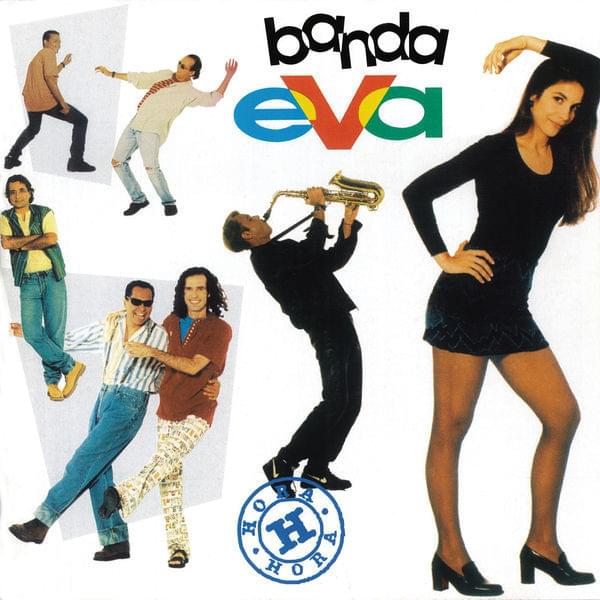
 View Artist