Song Meaning
The narrator is desperately pleading for their lover to return, emphasizing an inability to cope with the separation. The tone is one of urgent longing, with phrases like "Vem correndo pros meus braços" (Run to my arms) and "Não consigo ficar longe" (I can't stay away) painting a picture of intense emotional dependence. The plea is framed as a matter of destiny, suggesting a belief that this reunion is fated and unavoidable.
There's a clear tension between the narrator's desire for immediate reunion and the implied past hurt or separation. The line "o que passou, passou" (what passed, passed) attempts to dismiss past issues, urging the lover to move forward. This creates a dynamic where the narrator is actively trying to overcome an obstacle, likely the lover's hesitation or a previous conflict, by appealing to fate and the promise of future happiness.
The lyrics employ a compelling blend of urgency and reassurance. The repeated call to "Manda ver" (Go for it/Do it) coupled with "Amar sem medo de ser feliz" (Love without fear of being happy) encourages a bold embrace of their relationship. The imagery of "Deixe o coração pedir bis" (Let the heart ask for more) suggests a desire for an insatiable, renewed passion, while the mention of "Eva" passing hints at a specific, perhaps cyclical, moment of opportunity or a return to a state of grace.
Ultimately, the effectiveness of these lyrics lies in their direct, unvarnished expression of need and desire. The narrator’s insistent calls for return, combined with the promise of uninhibited love and the framing of their union as divinely ordained, create a powerful emotional pull. It’s a raw appeal to reconnect and embrace a shared future, urging the lover to cast aside doubts and return to the safety and passion of their embrace.
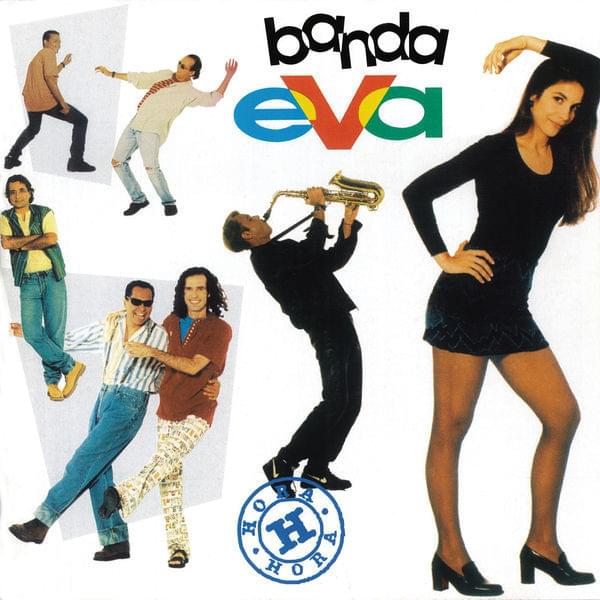
 View Artist