Song Meaning
The lyrics pulse with an urgent, almost desperate desire for physical affection, centered around the repeated plea, "Me beija agora" (Kiss me now). The narrator is clearly in the moment, wanting to share an experience with someone until the "festa acabar" (party ends). There's a sense of immediate gratification being sought, a need for connection that transcends time and circumstance, as indicated by the desire to "ficar" (stay) and let things "rolar" (happen).
The core tension lies in the narrator's intense craving versus the implied hesitation or delay from the other person. The repeated questions, "Por que você não me beija agora?" (Why don't you kiss me now?) and the insistent "Chega pra cá, tá chegando a hora" (Come here, the time is coming) highlight this push-and-pull. The narrator is trying to bridge a gap, to accelerate intimacy before the opportunity, represented by the party's end, slips away.
What's particularly effective is the exhaustive cataloging of different types of kisses, moving from the general to the specific, and even the illicit. Phrases like "Beijo no frio, beijo no calor" (Kiss in the cold, kiss in the heat) and "Beijo roubado tem mais sabor" (A stolen kiss has more flavor) paint a picture of a desire that is all-encompassing. The playful, onomatopoeic "tum tum tá tá tá" for the heart's beat adds a visceral, almost childlike excitement to the anticipation, contrasting with the more mature, sensual descriptions that follow.
Ultimately, the lyrics hit hard because they capture that raw, unvarnished feeling of wanting someone *right now*. The simple, direct language and the relentless repetition of the central command create an infectious energy. It’s not about deep philosophical musings; it’s about the immediate, physical, and emotional need for a kiss, for connection, before the moment is gone.
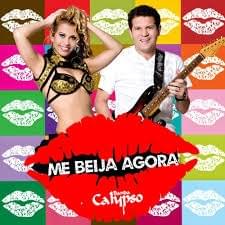
 View Artist