Song Meaning
The lyrics immediately plunge into a scene of profound emotional distance. The speaker observes a partner who has become "tão diferente," a sudden shift that leaves them bewildered and feeling abandoned. There's a palpable sense of confusion and hurt right from the start.
This emotional chasm is vividly painted through a recurring, painful ritual: "Toda noite as três da manhã," the partner enters, only to "ignora e vai dormir." This specific, almost clinical observation of indifference highlights the core conflict between the speaker's desperate need for communication and the partner's cold, silent withdrawal. The silence itself becomes an active antagonist, a relentless, nightly torment.
The lyrics elevate this emotional pain with a striking metaphor: "O teu silêncio a me matar / Como um ataque de um leão." This isn't just quiet; it's a violent, life-threatening assault, transforming passive indifference into an active, predatory force. The comparison is unexpected and viscerally conveys the speaker's profound suffering, making the emotional impact feel almost physically unbearable.
The final verses amplify this desperation, a torrent of rhetorical questions searching for any explanation for the lost "amor." The raw, almost wailing "Uôu uôu uôuuuuuuuu" underscores a primal cry for connection, culminating in a vulnerable plea: "Eu tô sofrendo mais te quero / Eu preciso tanto amar." These lines lay bare an enduring, almost irrational desire for the partner, even amidst intense suffering, making the emotional impact deeply resonant.
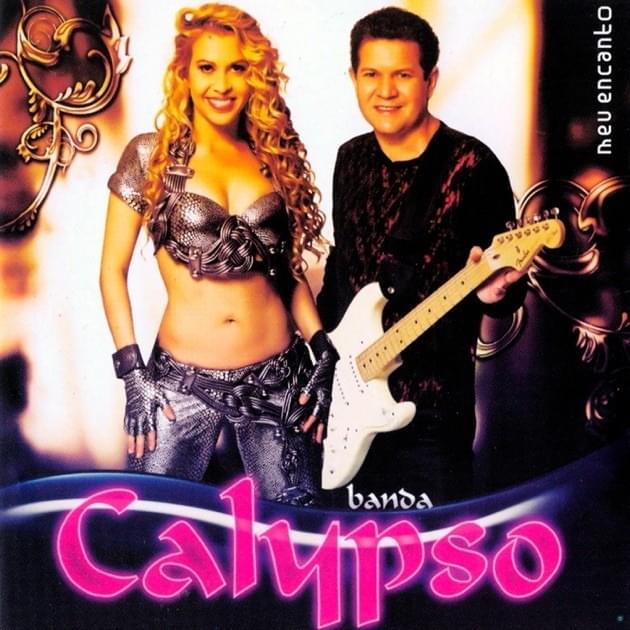
 View Artist