Song Meaning
The lyrics paint a vivid picture of a romantic encounter by the sea, illuminated by moonlight. The narrator recalls a significant kiss under the moon's glow, a moment that clearly holds deep emotional weight. There's a palpable sense of anticipation and eagerness as the narrator prepares to meet their love, even describing a physical act of rowing, suggesting a journey towards this reunion.
The central tension arises from the narrator's desire for a shared secret and a reciprocal kiss. The repeated pleas of "Deixa, deixa por favor" (Let it, let it please) and "Beija, beija minha flor" (Kiss, kiss my flower) highlight a yearning for connection and affection. This isn't just about a kiss; it's about permission and a gentle, almost pleading, request for intimacy, underscored by the solitary "Só, só, só, sozinho" (Only, only, only, alone) which emphasizes the personal and perhaps vulnerable nature of this desire.
The most striking craft element is the juxtaposition of the grand, almost cosmic imagery of the moon and sea with the intensely personal and intimate act of a kiss "Na boca, que louca" (On the mouth, how crazy). The simple, almost childlike repetition of "Deixa" and "Beija" creates a hypnotic effect, drawing the listener into the narrator's focused longing. The shift from the expansive natural setting to the singular focus on the mouth is a powerful way to convey the overwhelming nature of romantic desire.
This lyrical approach is effective because it grounds a universal feeling of romantic longing in specific, evocative imagery. The contrast between the vastness of the sea and the intimacy of a kiss makes the desire feel both epic and deeply personal. The insistent, pleading repetition makes the narrator's yearning feel immediate and raw, creating a strong emotional resonance with anyone who has ever felt that intense pull towards another person.
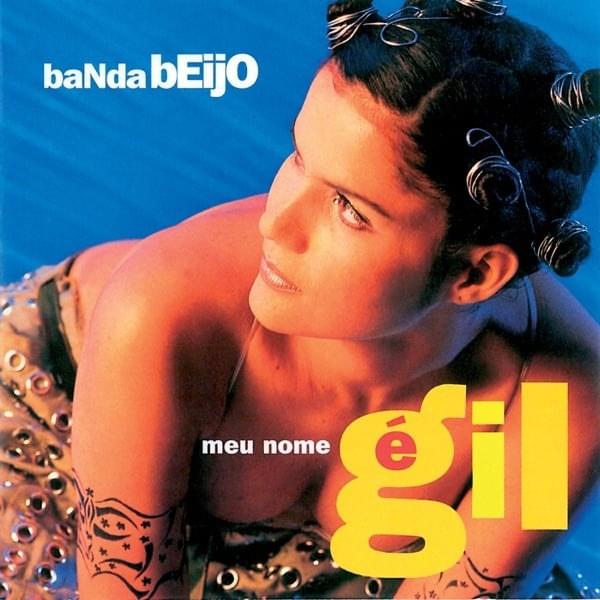
 View Artist