Song Meaning
The lyrics paint a stark picture of colonization, beginning with a dawn that the "indio" (indigenous person) cannot forget. Three long shadows obscure the sun, symbolizing the arrival of oppressors who exploit natural resources. The imagery of a "wooden shadow" vomiting men in helmets, raising flags and crosses, and wielding iron swords powerfully conveys the violent imposition of foreign power and religion, all under the guise of faith and royalty. This act is explicitly described as hiding freedom from the indigenous people, replacing it with dogma and chains.
The central conflict emerges from this brutal subjugation. The oppressors, referred to as "terratenientes y explotadores" (landowners and exploiters) and descendants of Columbus, arrive with their helmets hiding their ears, suggesting a willful ignorance of the suffering they inflict. The desperate cry of the poor, "poveri noi" (poor us), is met with the expulsion of not just blood, but also rage and revolt. This simmering anger is the direct consequence of the stolen freedom and the imposed order.
A striking shift occurs with the introduction of Zapata. The lyrics transition from the oppressors' actions to a defiant cry, "Que viva Zapata!" (Long live Zapata!). This figure, arriving on a white horse, represents a powerful counter-force, a voice for Central America that declares the pride of the indigenous people is not dormant. The repetition of Zapata's name, coupled with the aggressive interjection "¡cabrones!" (bastards/motherfuckers), transforms the narrative from one of passive suffering to active, proud resistance against figures like Lincoln and Columbus, who represent oppressive systems.
This lyrical structure effectively contrasts the initial helplessness and exploitation with a later, potent surge of defiance. The power lies in the shift from the invaders' imposing symbols – flags, crosses, iron swords – to the indigenous spirit embodied by Zapata. The lyrics suggest that even in the face of overwhelming force and the suppression of liberty, the core pride and the will to revolt remain, waiting for a catalyst like Zapata to ignite them into a powerful declaration of selfhood and freedom.
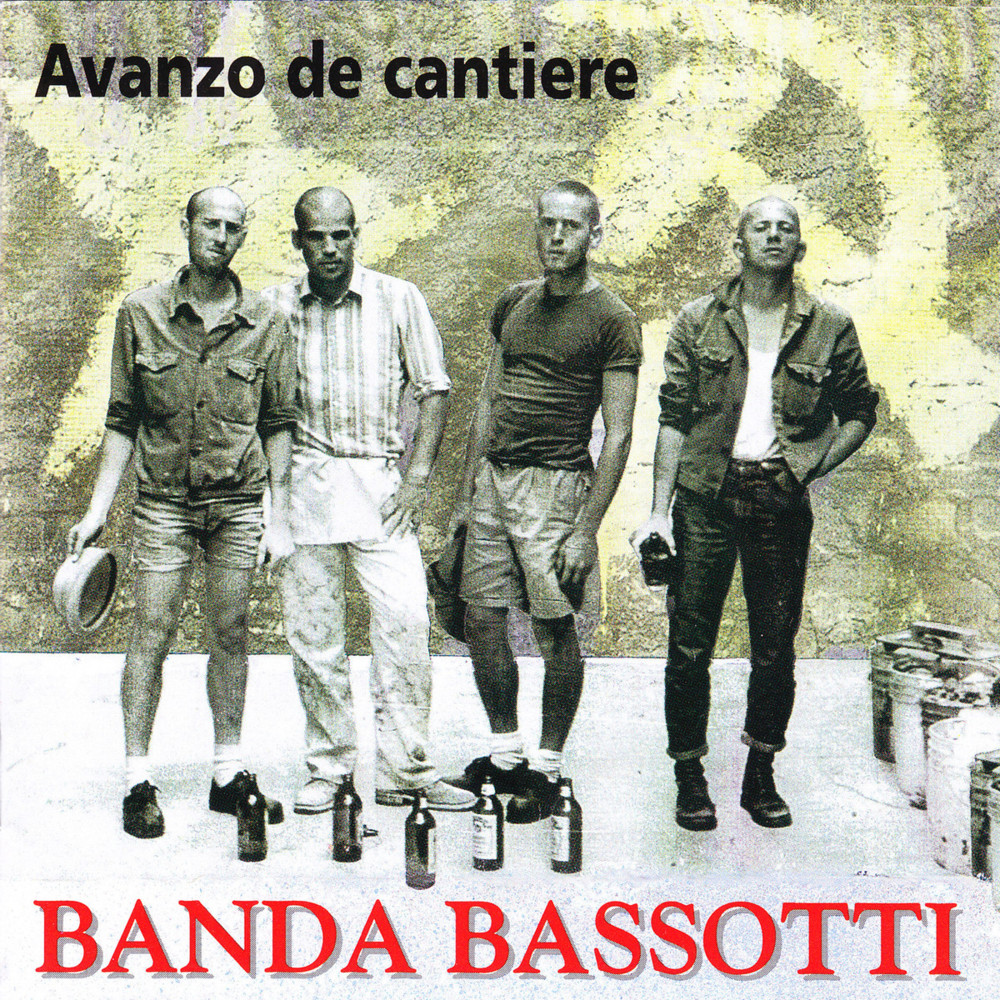
 View Artist