Song Meaning
The lyrics paint a picture of an overwhelming, almost primal force, described as "Himalayan." This isn't just a large obstacle; it's something beyond normal comprehension, a part of "unnatural history." The narrator seems to be bracing for a significant, inevitable event, signaled by the ominous "coin drop." This moment feels like a point of no return, a transition into something intense and potentially chaotic, urged on by a "Bonnie and Clyde grin" and "crackle and sin."
The core tension lies between this immense, external force and the individual's attempt to navigate it. The chorus offers a stark contrast, suggesting a path to freedom through conscious choice and uninhibited movement: "Say that you know, the path that you're gonna walk to be free." It’s an invitation to embrace the moment, to "throw your hands up" and surrender to a rhythm, even as the "Himalayan" looms.
The imagery shifts from the grand scale of the "Himalayan" to a more personal, almost ritualistic moment in Verse 2. Waking in the night and praying "like a tribalite" suggests a deep, instinctual response to the impending event. The physical description of someone "lick[ing] your lips and you're moving in fits" adds a visceral, almost desperate energy, amplifying the feeling that the "coin drop" is not just an announcement but a physical impact.
This juxtaposition of the colossal and the intimate, the fated and the chosen, makes the lyrics resonate. The repetition of "Himalayan" hammers home the inescapable nature of this force, while the chorus provides a human counterpoint, a call to agency amidst overwhelming circumstances. It’s this dynamic that captures the feeling of facing something immense, where instinct and conscious action collide.
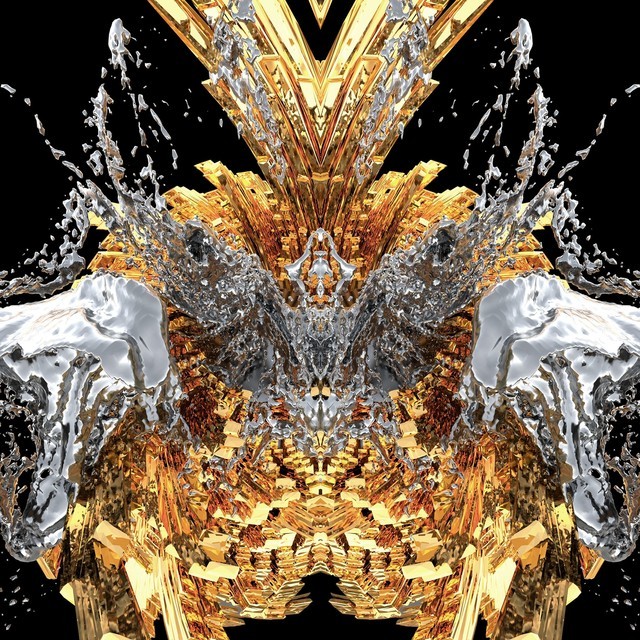
 View Artist