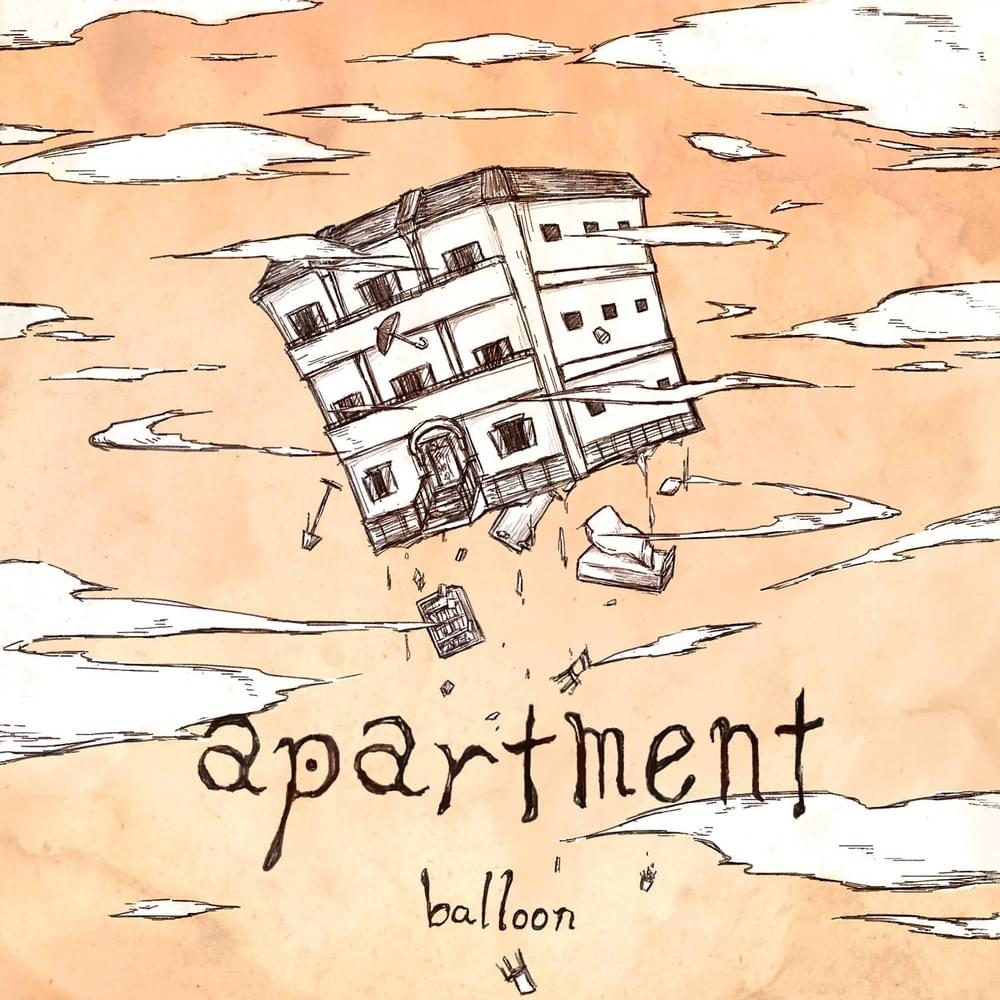
Song Meaning
The song opens with a mundane, almost comical scene: a forgotten faucet dripping into a sink. This small oversight, described as '間抜けなもんだな' (what a fool I am), sets a tone of gentle self-deprecation and the quiet hum of everyday life. The narrator notices the water, pulls the plug, and a simple 'そんな日々が' (days like these) bridges to a starkly different emotional landscape. This immediate contrast between the physical reality of a leaky faucet and the internal turmoil to come hints at a deeper dissatisfaction beneath the surface of routine.
The core tension arises from a profound sense of disillusionment with another person, whose heart is described as '白々しい' (blatant/insincere) and whose presence is reduced to mere '姿だけ' (just the appearance). The narrator can't '見透かす' (see through) them, feeling only their '影' (shadow) reflected. This inability to connect or understand fuels a bitter resentment, especially towards someone's '憎たらしい' (hateful) laughter, leading to a desire to '忘れよう' (forget). The lyrics suggest a relationship where genuine connection is absent, leaving only a hollow imitation.
The writing skillfully employs imagery of decay and futility. A '枯葉' (withered leaf) blown in through an open window mirrors the narrator's '穴の空いた 気分' (feeling full of holes). The repetitive structure of daily life, like people gathering 'まるで虫みたいに' (like insects) at the station at 7 AM, is met with weariness ('飽き飽きしたんだろう' - must be fed up). The desire to escape this monotony and the pain of a failed connection is palpable, leading to a desperate urge to '吐き出したいな どんな冷たい言葉' (want to spew out any cold words).
Ultimately, the song captures the ache of feeling disconnected in the face of life's repetitive grind and the sting of a hollow relationship. The narrator grapples with the desire to forget painful memories and the futility of trying to grasp something that isn't truly there, as seen in the repeated line '抱きしめたってそこにいない' (even if I embrace it, it's not there). The '生活感' (lived-in feel) isn't just about daily routines, but the emotional residue left by experiences that feel both deeply personal and frustratingly inescapable.