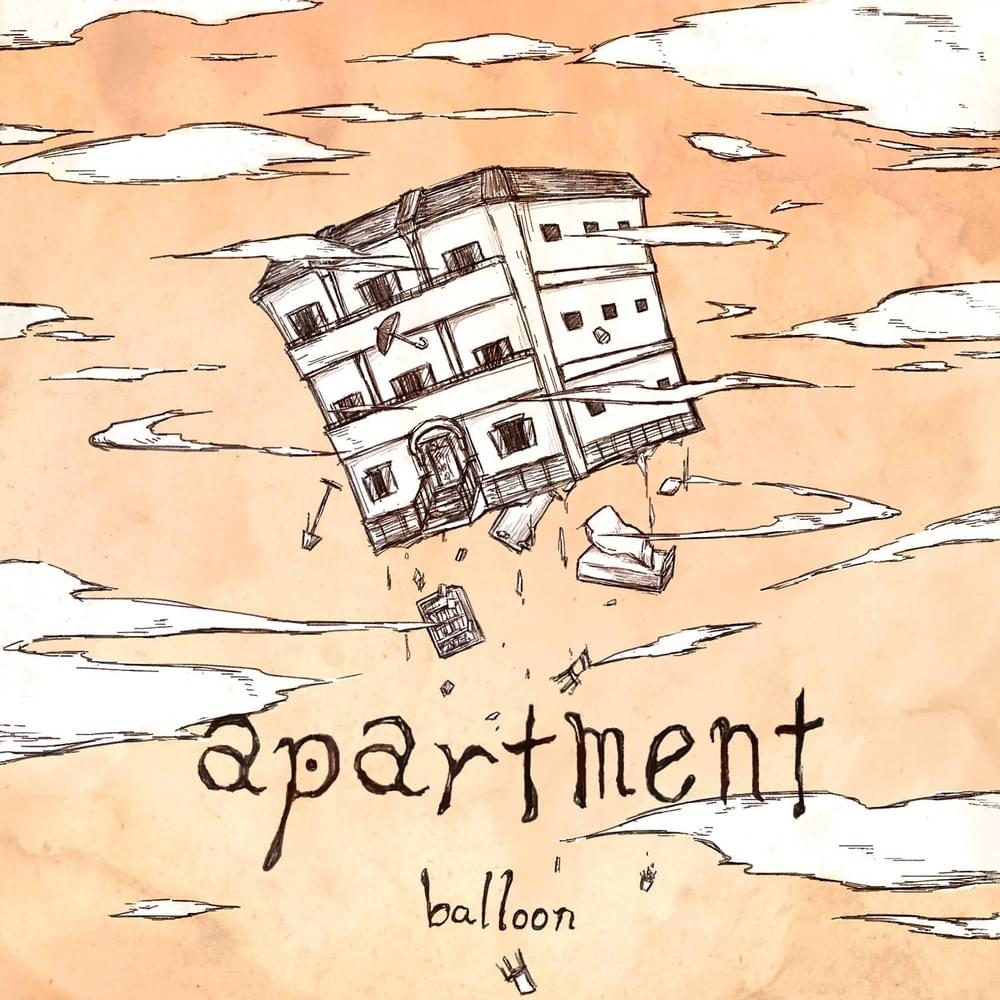
Song Meaning
The lyrics paint a picture of urban decay and personal stagnation, where the "blurred outlines" of the world are constantly "dirtying." Even familiar landmarks, like the "rusted streetlight," seem to droop and close their eyes, mirroring a sense of resignation. The narrator's focus on their own feet suggests an inability to move forward or forgive, trapped in a cycle of missed connections and passing time.
The core tension lies between a desperate desire for catharsis and a yearning for connection. The narrator confesses, "I really want to bare everything and scream," and later, "I really want to throw everything away and just be at ease." This internal conflict is amplified by the wish to meet someone "when the veil of night falls," hinting at a desire for intimacy that can only occur under the cover of darkness, away from the harshness of the day.
A striking contrast emerges between the initial impulse to "bare everything and scream" and the later desire to "tell everything without hiding." This shift suggests a movement from raw, unbridled emotion towards a more vulnerable, communicative approach. The image of "folding wet clothes" and bidding farewell to the "current relationship" after being caught in a "sudden rain" speaks to shedding the past and preparing for something new, even if the "season is still hard to grasp."
Ultimately, the effectiveness of these lyrics stems from their raw portrayal of emotional paralysis and the hesitant steps toward healing. The repeated desire to "laugh together and forgive" and to be "accepted by baring everything" highlights a deep-seated need for validation and reconciliation. The closing lines, "If we get lost, let's just pretend it never happened. Until then, let's talk now," offer a fragile hope, suggesting that open communication, even with the risk of future separation, is the only way to navigate the present moment.