Song Meaning
The lyrics open with a striking image: a narrator kissing a window, observing "endless rains are splashing blue." This immediate intimacy with the external world quickly gives way to an internal deluge, as their "mouth spills an ocean of words / Crashing waves of intention." It sets a scene of quiet observation burdened by a vast, turbulent inner landscape.
This internal conflict deepens with the question of stillness: "If I stood still / Under dark gray skies / Would memories flood me / With alibis." The rain here seems to symbolize not just external weather, but the overwhelming nature of past justifications and recollections. The repeated plea, "Rain on me," initially feels like a surrender to this deluge, a desire for whatever cleansing or confrontation it might bring.
Yet, a powerful tension emerges with the counter-request: "Wash the rain away my dear." This isn't just about avoiding the past; it's a yearning for purification, a release from the very things that might flood them. The imagery shifts from gray skies to "Incandescence can dance / Through white shades of sand," hinting at a fragile, emerging light even amidst the lingering request for rain.
The true turning point arrives with the embrace of sunlight, a stark contrast to the earlier downpour. "And I see the sunrise kissing my face / Sometimes / And I know the sun shines down on me." This isn't a sudden, miraculous change, but a gradual recognition, culminating in a powerful declaration of presence: "Now that I know I am here." The final lines, "Feel the sunlight in my face / See the sunshine in my grace / Wash the rain away my dear," affirm a hard-won peace, suggesting that true purification comes from accepting the present moment and one's own inherent worth.
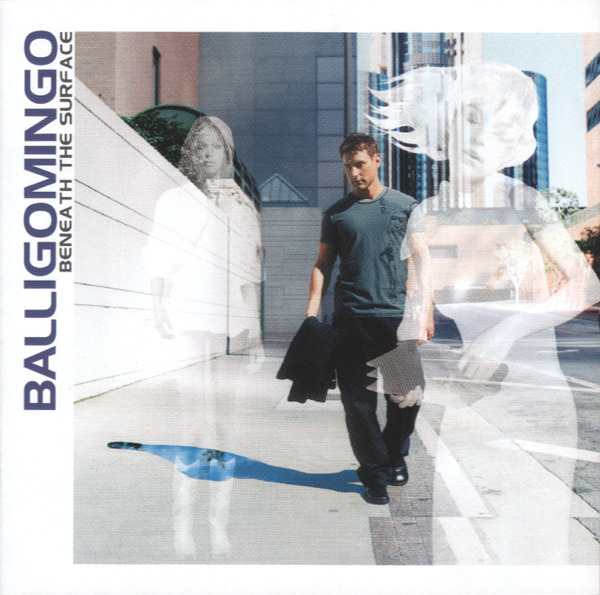
 View Artist