Song Meaning
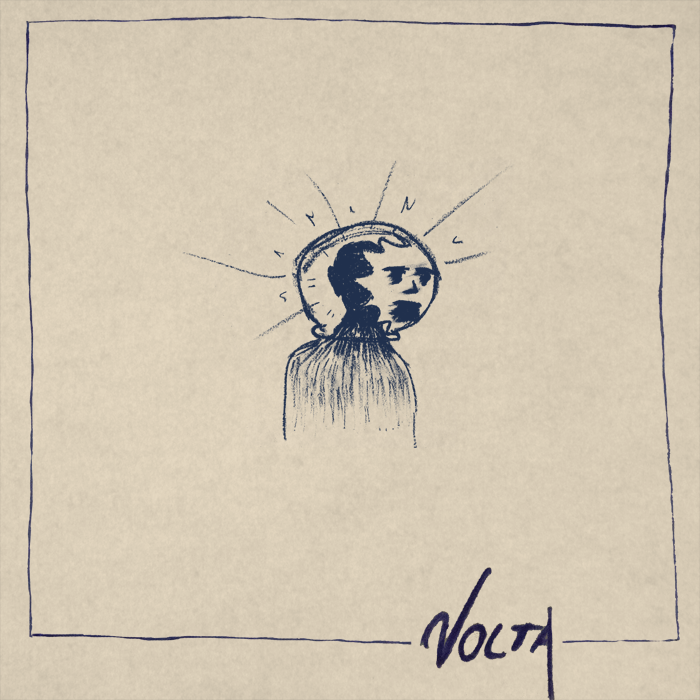
The lyrics paint a stark picture of alienation and existential disorientation. The narrator describes being "repelida ao vazio" (repelled into the void), waking up "fora da Terra" (outside of Earth), and destined to "orbitar sem lugar" (orbit without a place). This initial feeling of being cast out and adrift sets a tone of profound isolation, where even the concept of a fixed identity is lost, reduced to mere "direção" (direction) rather than a name. The world is characterized by "eterno arrepio" (eternal shiver), suggesting a constant state of unease and coldness.
The central tension arises from this forced detachment and the subsequent process of disintegration and re-formation. The narrator states, "Meu lugar são dois mundos em colisão" (My place is two worlds in collision), highlighting an internal conflict or a liminal state between what was and what is to come. The act of "queimar no céu" (burning in the sky) and "dissipar o pó" (dissipating the dust) suggests a violent shedding of the old self, a necessary destruction before a potential rebirth or understanding. The anticipation of what will remain and the act of "aterrizar no meu corpo" (landing in my body) implies a search for groundedness after this chaotic transformation.
The hook introduces a complex metaphor of a "charada apodrecendo na velha forma" (riddle rotting in the old form). This riddle, once clearly defined in "negrito, em caixa alta e sublinhada com marca-texto" (bold, in capital letters, and underlined with highlighter), has become decayed and incomprehensible. The process described – being "amplificada, examinada, esmiuçada" (amplified, examined, dissected) yet remaining "desententida" (misunderstood) – speaks to an overwhelming scrutiny that fails to yield clarity. The imagery of "comer os pudores" (eating the inhibitions) and "descasca a pele em várias dores" (peeling the skin in various pains) illustrates a painful stripping away of defenses and a confrontation with raw vulnerability, leading to a fear of the "lado escuro" (dark side) where the future lies.
What makes these lyrics resonate is the visceral depiction of an identity crisis as a physical and cosmic event. The language moves from abstract void to concrete bodily sensations like "arrepio" and "dores," grounding the existential dread in tangible experience. The contrast between the once-defined riddle and its current decaying state, coupled with the intense, almost violent, self-examination, captures the unsettling feeling of being lost within oneself and the world. The final lines, "Atrás dos olhos) Tá o futuro," suggest that the path forward, though obscured and frightening, is intrinsically linked to this internal, painful process of dissolution and discovery.
 View Artist