Song Meaning
The lyrics for "Mali svira gitaru" immediately introduce a guitar prodigy, a "little one" who has played since age four. With "long fingers," he's naturally gifted, a "muzikant" seemingly destined by a higher power. It's a celebration of raw, untamed musical genius from an early age.
The narrative quickly contrasts the prodigy's single-minded focus with conventional expectations. He "hates math, loves football" and "doesn't know Hegel, Kant," rejecting academic pursuits for his craft. This highlights a tension between societal norms and the singular path of an artist, suggesting that true genius often defies traditional molds. His early mastery, playing "better than Johnny B. Goode" by twelve, isn't just talent; it's the result of "serious effort."
The song's most compelling move comes with the chorus, where the perspective shifts dramatically from observing the prodigy to the speaker's personal declaration. "This song doesn't have words everyone knows" and "This rhythm isn't one-one-two" explicitly reject mainstream simplicity. Instead, the music serves a deeper, cathartic purpose: "to drive out anger" and "make every body move to dance." This reveals the song itself as a vehicle for raw, unadulterated emotional release.
Ultimately, these lyrics craft a powerful argument for music as both a personal refuge and a societal antidote. While "newspapers are full of lies" and "on TV there's war," the song offers a potent counter-narrative. The repeated call, "Come on, child, let the rockets fly," feels like an urging to unleash this musical power, suggesting that art, particularly this kind of uncompromised, passionate music, "can drive all that evil away." It's a testament to music's ability to cut through noise and offer genuine solace and rebellion.
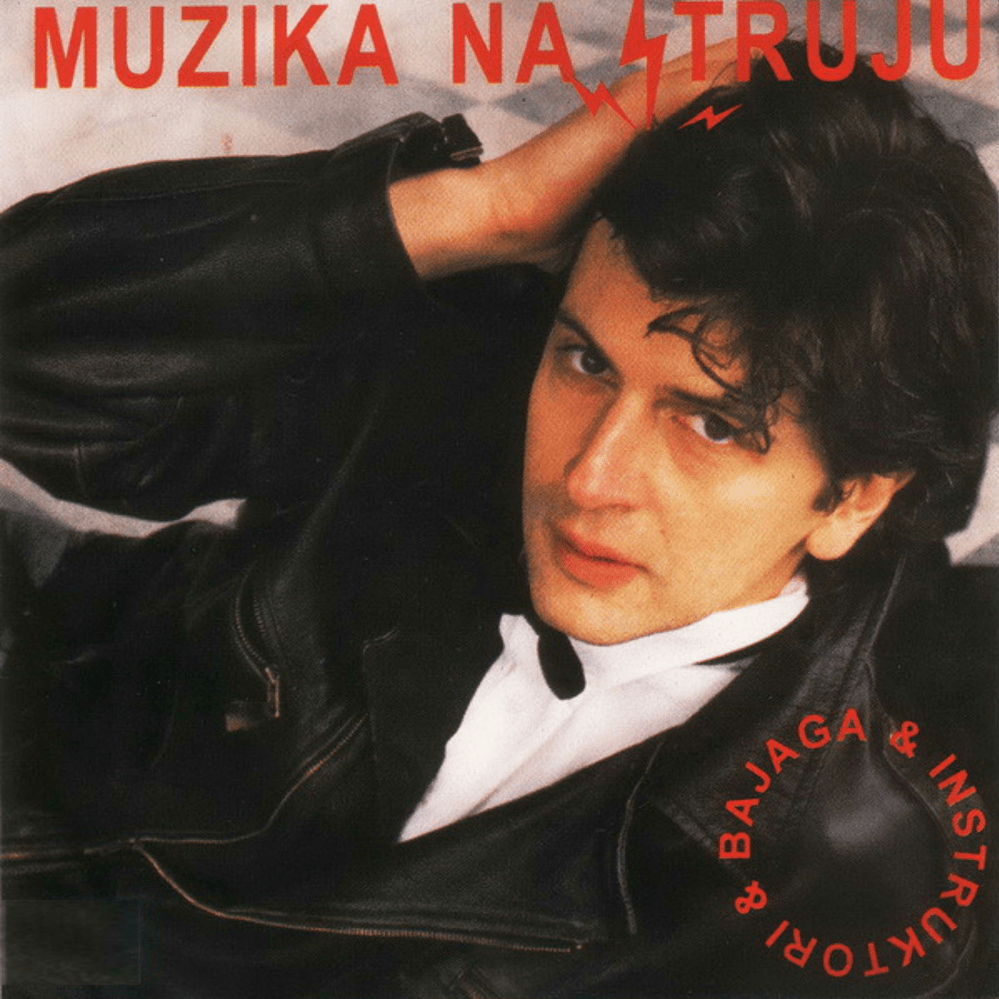
 View Artist