Song Meaning
The song opens with a stark image of internal conflict, where the narrator's soul crosses the river while reason departs his head, plunging him into darkness. This isn't just a breakup; it's a profound disorientation, a feeling of being adrift. The powerful river becomes a plea for escape, a desire to be moved from this stagnant, painful state. The central image of the beloved is striking: "Grudi nosi k'o odlikovanja" – her chest is carried like decorations. This suggests a proud, perhaps defiant, bearing, a display of something valuable and earned, even amidst the narrator's turmoil.
The core tension lies in the narrator's obsessive focus on his beloved, who seems to have moved on. The chorus paints a picture of idealized, almost sacred, intimacy: "Zaklele se, samo srcu služe" (They swore, they only serve the heart), referring to her lips, which are "Usne vrele kao plamen sveće" (Lips hot like a candle flame). This intense, burning passion is contrasted with her current state, where she might love or not love, implying a distance or a change. The narrator admits he was burned by this passion, but the pain was strangely bearable, suggesting a deep, almost masochistic, attachment.
The lyrics then pivot to a more complex, almost possessive, fantasy. The narrator claims that while she sleeps, her "heaviest punishment" is dreaming of him every other night. He imagines her dreaming of "milovanja razna" (various caresses) and questioning if he will come to her. This is where the writing becomes particularly sharp: the narrator is not just lamenting her absence but actively constructing a narrative where he remains central to her subconscious, even if she is physically distant or has moved on. The idea that she "krije / Kako noću s' anđelima spava" (hides / How she sleeps with angels at night) suggests a perceived hypocrisy or a hidden life that he is determined to interpret through his own lens of longing and obsession.
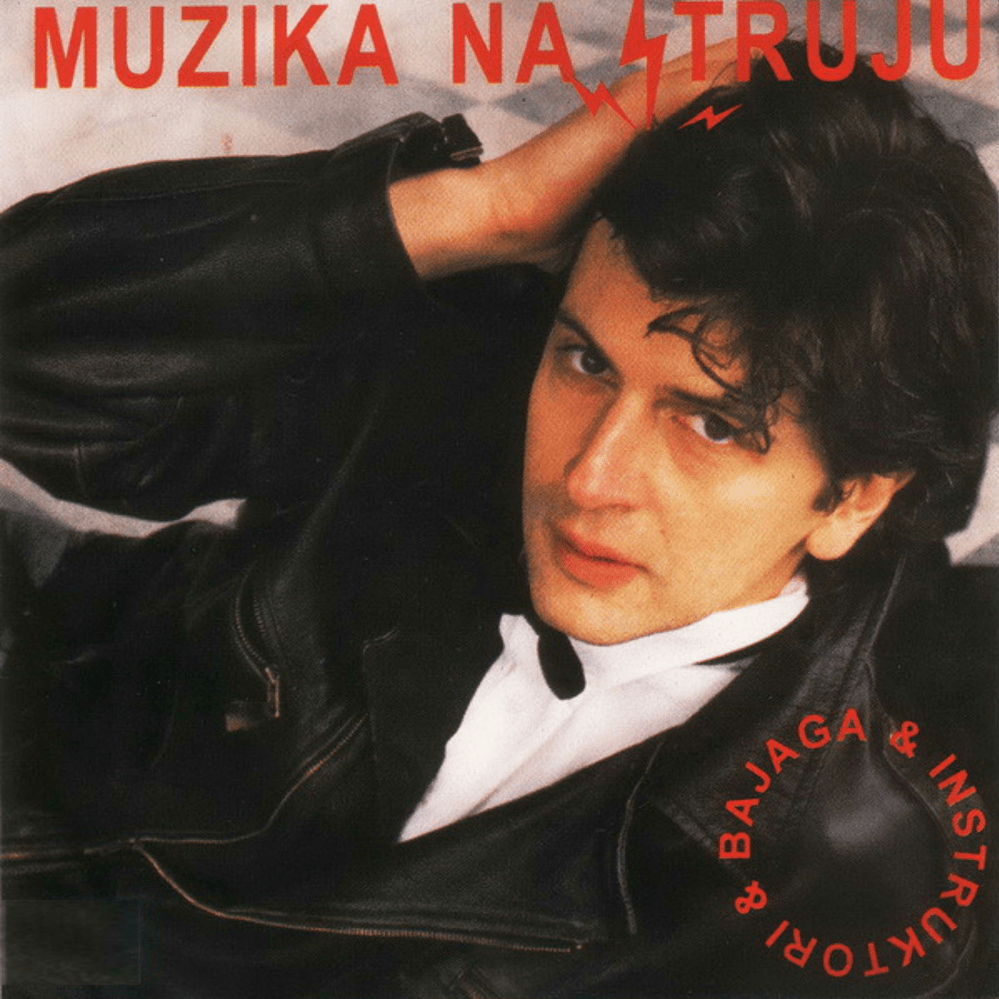
 View Artist