Song Meaning
This song paints a vivid sonic landscape, starting with the precise, almost militaristic feel of an orchestra tuning up, aiming for perfection. The initial quiet of the drums gives way to the rich, textured sound of cellos and the distinct scrape of bows on strings, establishing a scene of careful, deliberate musical construction. It's a soundscape that feels both grand and intimately detailed, preparing for something significant.
The core of the song seems to be the recurring phrase, "Buđenje ranog proleća i blagi bol u grudima," which translates to "Awakening of early spring and a slight pain in the chest." This juxtaposition of a gentle, hopeful awakening with a physical ache suggests a complex emotional state. It's not just about the beauty of spring; there's an underlying melancholy or perhaps a profound emotional resonance accompanying this renewal, a feeling that's potent enough to be sung, or even marched to.
The lyrics build layers of sound and imagery, moving from the delicate entrance of female voices supported by unified basses to the dramatic "udari letnjih gromova i kanonada topova" – the "strikes of summer thunder and cannonades." This powerful, almost violent imagery, compared to Tchaikovsky and the year 1812, creates a stark contrast with the initial quiet tuning. It suggests that the "slight pain in the chest" might be tied to historical weight or immense, overwhelming forces.
Later, decisive male voices enter, described as "veterans, forgotten aces," carrying songs instead of boots. This adds a layer of seasoned experience and perhaps past struggles to the unfolding narrative. The scent of earth that birthed a river grounds the song in a primal, fertile imagery. Ultimately, the song transforms from a mere melody into something that can be marched to, implying a call to action or a resolute forward movement, carrying the weight of its spring awakening and chest-aching emotions with a determined stride.
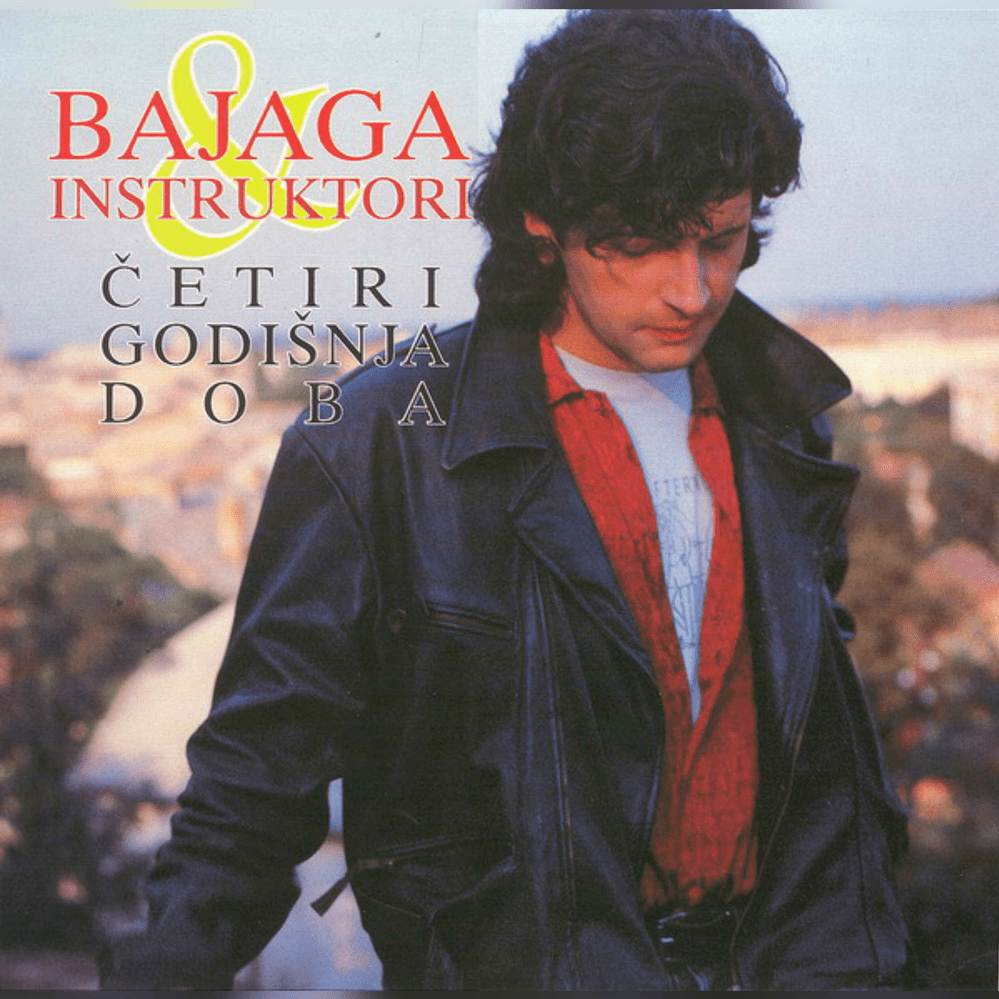
 View Artist