Song Meaning
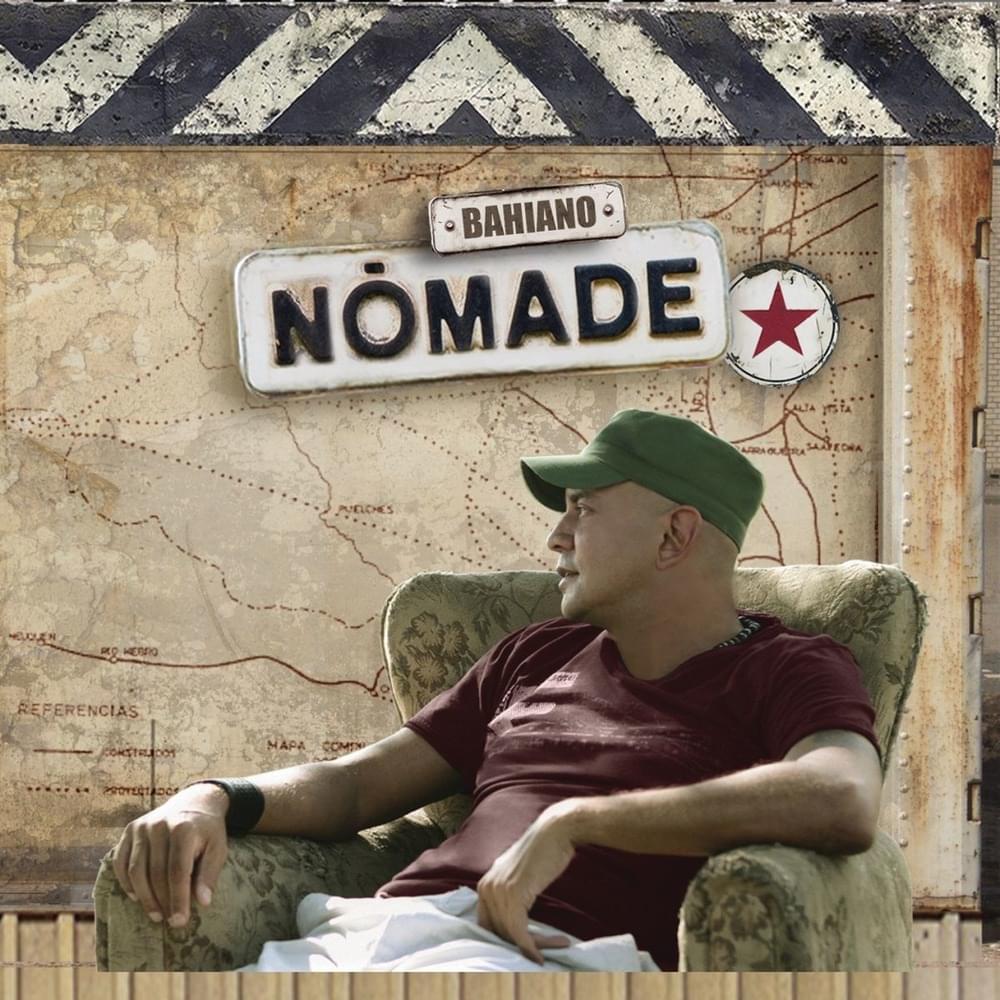
The lyrics paint a picture of a restless spirit, a true wanderer embracing the open road and the call of music. The narrator declares a fearless approach to life, preferring to stumble and learn rather than remain stagnant. This isn't just aimless drifting; it's a deliberate choice to seek out new experiences and songs wherever they may be found. The repeated phrase "Nómade, nómade" acts as a mantra, reinforcing this identity.
The central tension lies between the freedom of constant movement and the grounding presence of a significant memory or person. While the narrator is eager to "despegar" (take off) with each new day, they acknowledge a guiding force, "Tu corazón será el guía" (Your heart will be the guide), when they feel lost. This suggests a deep connection that provides an anchor, even amidst perpetual motion, offering a poignant contrast between independence and cherished connection.
The most striking aspect is the embrace of uncertainty and the rejection of fear. Phrases like "No tengo miedo a perderme" (I'm not afraid of getting lost) and "Prefiero equivocarme / A no saber caminar" (I prefer to be wrong / Than not know how to walk) highlight a philosophy of active engagement with life. The lyrics propose that the act of moving, of choosing a path, is more valuable than having a predetermined destination, echoing the famous sentiment "Caminante no hay camino / Se hace camino al andar" (Walker, there is no path / The path is made by walking).
This lyrical construction is effective because it taps into a universal desire for exploration and self-discovery, while simultaneously acknowledging the human need for connection. The confident, almost defiant tone in the face of the unknown makes the narrator's journey compelling. It’s this blend of bold independence and underlying emotional resonance that makes the nomadic existence feel not just adventurous, but deeply meaningful.
 View Artist