Song Meaning
The narrator grapples with a perceived identity as a "man's man," a label that seems at odds with his current emotional state and efforts. He acknowledges external perceptions of his rigidity, stating, "Some say I'm always set in my ways." Yet, he insists on his ongoing attempts to connect and be understood, repeating the refrain, "I try, I've tried, I'm still trying to make you see."
The central tension lies in the narrator's struggle to overcome both his own perceived limitations and the other person's past. He posits a direct, almost transactional, condition for their relationship: "If you can forget about him, you can forget about me." This suggests a deep-seated insecurity, where his own worth is contingent on erasing a prior connection, and he frames his own self-improvement as a prerequisite for the other person's healing: "If I can get over myself, you can get over your past."
The most striking element is the persistent, almost desperate, repetition of "I try, I've tried, I'm still trying." This phrase, appearing multiple times, underscores a continuous, perhaps exhausting, effort. It’s not just about making an effort, but about the ongoing nature of that effort, even when faced with doubt from others and within himself. The shift in the final verse, from "trying to make you see" to "always trying to be true," coupled with the promise "All the love that you give me I'm going to give back to you," hints at a desire for genuine commitment beyond just being understood.
This lyrical construction effectively conveys a sense of earnest, if somewhat clumsy, persistence. The narrator’s vulnerability is laid bare through his repeated assertions of trying, revealing a deep desire for acceptance and reciprocity. The conditional framing of their potential future, while seemingly harsh, highlights the intense personal stakes he feels are involved in this connection, making his plea for authenticity and a clean slate all the more poignant.
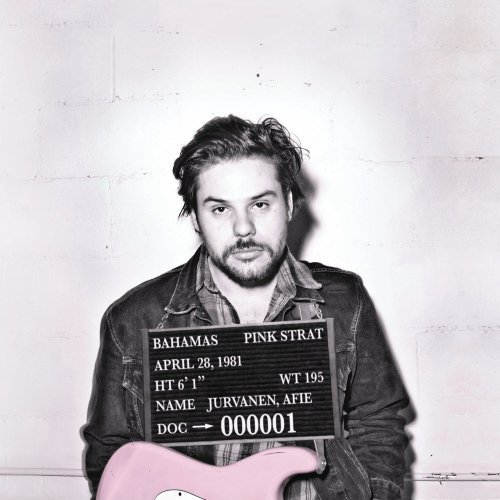
 View Artist