Song Meaning
The narrator grapples with a persistent, almost obsessive, longing for a loved one, marked by a cyclical searching. The phrase "Time and time again" opens each of the first four lines, establishing a pattern of repeated searching and finding, whether in the vastness of the "stars" or the mundane "passing car." This repetition underscores a deep-seated, perhaps even desperate, need to locate this person, suggesting a relationship that is either physically distant or emotionally elusive. The initial tone is one of wistful searching, tinged with a sense of unreality.
The core tension arises from the narrator's admission of a wandering mind, immediately qualified by the assertion that it "only gets as far as my heart." This suggests internal conflict, a struggle between fleeting distractions and an unwavering emotional tether to the beloved. The chilling line, "Cause if anything's gonna do us in now, It'll be 'death do us part'," introduces a dark, almost fatalistic, premonition. It implies that the relationship's ultimate undoing might stem not from external forces or infidelity, but from the very commitment it represents, or perhaps the intense, all-consuming nature of their bond.
The lyrics cleverly pivot from searching to a mutual, if perhaps reluctant, wandering. The narrator admits to leaving the loved one "feeling blue" and acknowledges the other person looking for someone new, mirroring their own behavior: "well I guess I look around too." This shared pattern of seeking elsewhere, however, paradoxically "brings me right back around to you." This cyclical nature, where separation and searching lead back to the same point, highlights a complex codependency or an undeniable magnetic pull that defies logic or external attempts at connection.
What makes these lyrics resonate is the raw, almost confessional, portrayal of a love that is both enduring and fraught with potential peril. The narrator's acknowledgment of past hurts and future disagreements, even while admitting "a few heavy days go by" where they "can't remember when / We ever disagreed," paints a picture of a relationship that is real, flawed, and deeply ingrained. The final lines suggest that despite the inevitable "disagree time and time again," the fundamental connection, the return to each other, is the defining characteristic of their love, a force as powerful as the commitment of marriage itself.
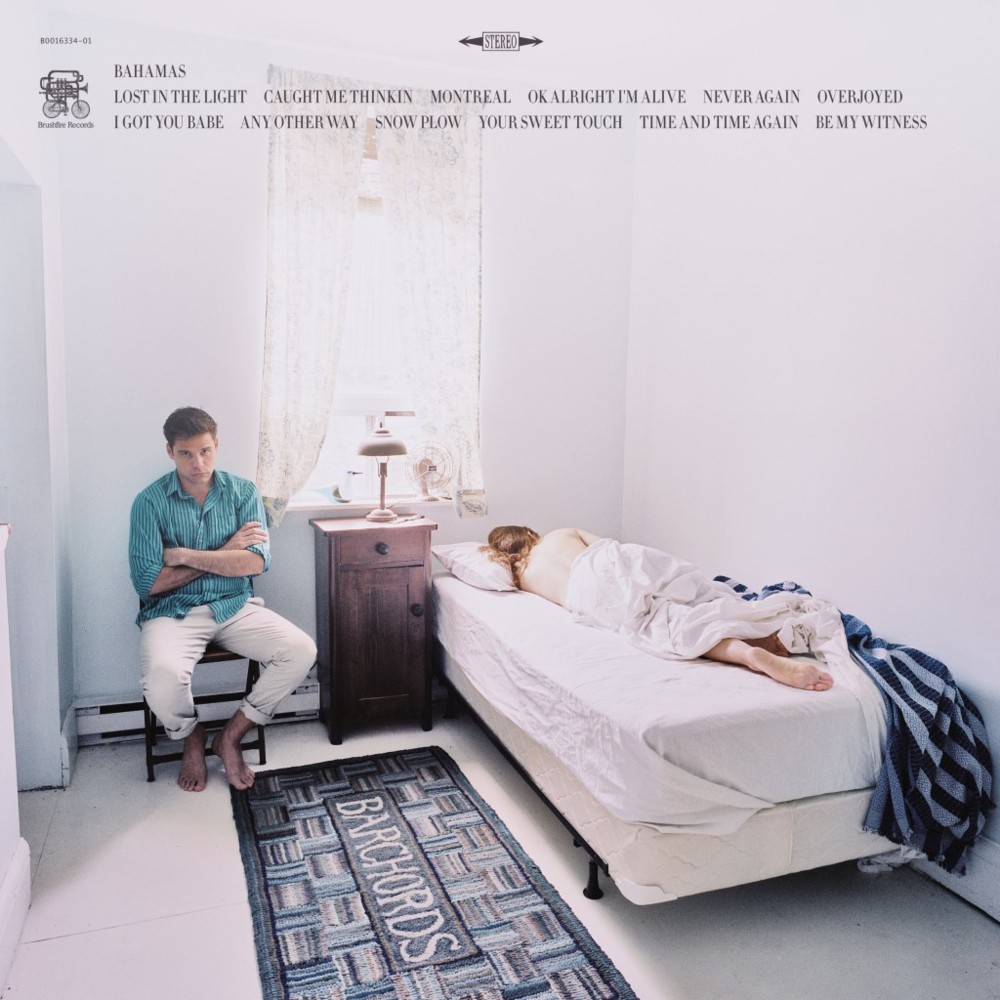
 View Artist