Song Meaning
The lyrics paint a vivid picture of someone desperately clinging to a love that feels both intensely present and precariously fleeting. The narrator acknowledges the physical sensations of this love – the wind, the warmth, the trembling gaze – framing them as sources of happiness even amidst potential pain. This initial tenderness, however, quickly gives way to a profound fear of loss, a central tension that drives the song's plea.
The core conflict lies in the narrator's inability to bear the thought of the beloved departing. They explicitly state that other difficulties are manageable, but the prospect of being alone is unbearable. This singular focus intensifies the emotional stakes, highlighting a dependency that borders on existential. The repeated desire to wake up and find the beloved still present underscores a yearning for permanence in a relationship that feels inherently unstable.
The imagery of waves and starlight creates a powerful contrast. The beloved is described as a force like a wave, powerful enough to shake the narrator, yet also distant like starlight, suggesting an unattainable quality. This duality fuels the narrator's plea, as they try to hold onto something that simultaneously feels overwhelming and out of reach. The repeated phrase "단 한 가지" (just one thing) emphasizes the singular, all-consuming nature of this fear and desire.
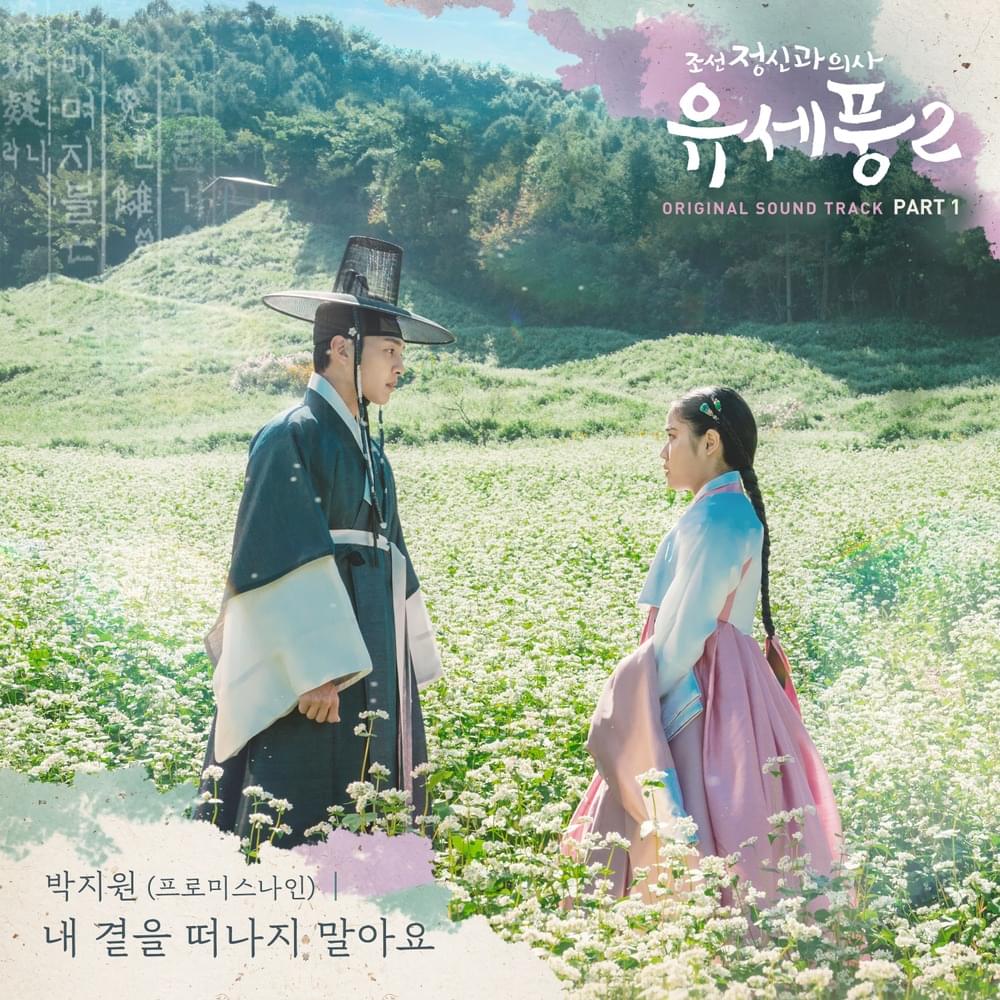
Ultimately, the effectiveness of these lyrics stems from their raw vulnerability and the stark portrayal of dependence. The narrator’s direct address, "내 곁을 떠나지 말아요" (Don't leave my side), coupled with the desperate "사랑해 사랑해 사랑해" (I love you, I love you, I love you) in the outro, creates a palpable sense of urgency. It’s this unvarnished expression of need, grounded in the fear of losing the one thing that gives their world warmth and meaning, that resonates so deeply.
 View Artist