Song Meaning
The narrator grapples with an overwhelming, possibly unrequited, love, questioning the nature of their feelings and the possibility of reciprocation. The repeated phrase "If I" acts as a desperate plea, a conditional framing of their emotional state, suggesting a deep uncertainty about how to proceed. The core tension lies in the narrator's internal conflict: acknowledging the intensity of their love while simultaneously doubting its recognition or validation by the object of their affection. This creates a palpable sense of yearning and vulnerability, as they wonder if their feelings are even perceived.
The lyrics paint a picture of a love that feels both consuming and isolating. Images of the moon and stars are invoked not as romantic backdrops, but as potential conduits for their emotions, asking, "If the moonlight shines on me, will you know my heart?" or "If the starlight makes me cry, will you come to me?" This celestial imagery highlights the vast distance between the narrator and their beloved, emphasizing the hope that external forces might bridge the gap. The repeated question, "You don't know, why don't you know?" underscores a frustration with the perceived obliviousness of the other person, amplifying the narrator's sense of helplessness.
A particularly poignant moment arises in the second chorus with the line, "If I abandon myself, can we become love?" This suggests a willingness to undergo a radical transformation, to shed their current identity, in the hope that such a sacrifice might finally make the relationship possible. It’s a desperate gamble, questioning whether their true self is the obstacle to being loved. The lyrics also employ the metaphor of wind and rain to express the desire for their feelings to be heard and for comfort to be offered, asking if their heart will be heard on the wind or if they will be held if tears fall like rain.
Ultimately, the effectiveness of these lyrics stems from their raw portrayal of emotional dependency and the agonizing uncertainty of love. The narrator’s persistent questioning, their reliance on external elements like moonlight and starlight to convey their inner world, and their contemplation of self-abandonment all contribute to a powerful expression of longing. The repeated conditional "If I" serves as a constant reminder of the precariousness of their situation, making the plea for recognition and reciprocation deeply resonant.
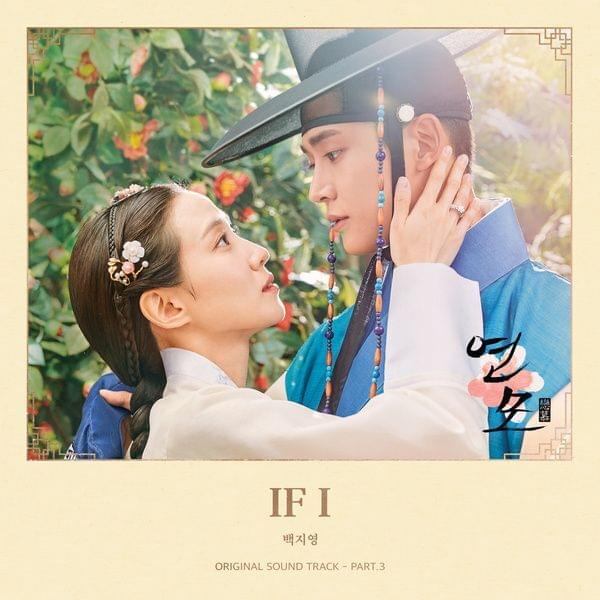
 View Artist