Song Meaning
The narrator acknowledges a world outside that's conventionally pleasant, with "birds sing and doorbells ring" and people calling it a "lovely day." Yet, they express a clear indifference, stating "I don't mind." This isn't about rejecting happiness, but about asserting a personal, perhaps unconventional, way of living that doesn't require external validation or adherence to societal norms. The focus is on an internal state, a chosen path that's fulfilling "even if it's only for the ride."
The core tension lies in the narrator's self-assured detachment from external judgment. They anticipate being labeled "lazy" but dismiss it, framing their lifestyle as a choice made "for the fun" or as a creative pursuit. The repeated assertion "You don't know me / What's on my mind / You can't show me / What I can't find" underscores this internal focus, highlighting a private world of thought and creativity that others cannot access or define. It's a defense of their inner landscape against outside intrusion.
The most striking craft element is the persistent, almost defiant refrain of "I don't mind." This phrase acts as a shield, deflecting potential criticism and reinforcing the narrator's self-possession. The contrast between the bright, external world and the narrator's internal contentment creates a subtle power dynamic, suggesting that true satisfaction comes from within, not from conforming to what's "lovely" outside. The lyrics "makin' rhymes for you" hint at a creative output, a way of "givin'" that is deeply personal and self-sustaining.
This piece resonates because it captures a quiet rebellion against the pressure to perform or conform. The narrator's unwavering stance, articulated through simple, direct language, offers a compelling argument for self-acceptance and the value of one's own internal world. It’s effective because it grounds this philosophy in a specific, albeit somewhat abstract, personal experience, making the assertion of independence feel earned and authentic.
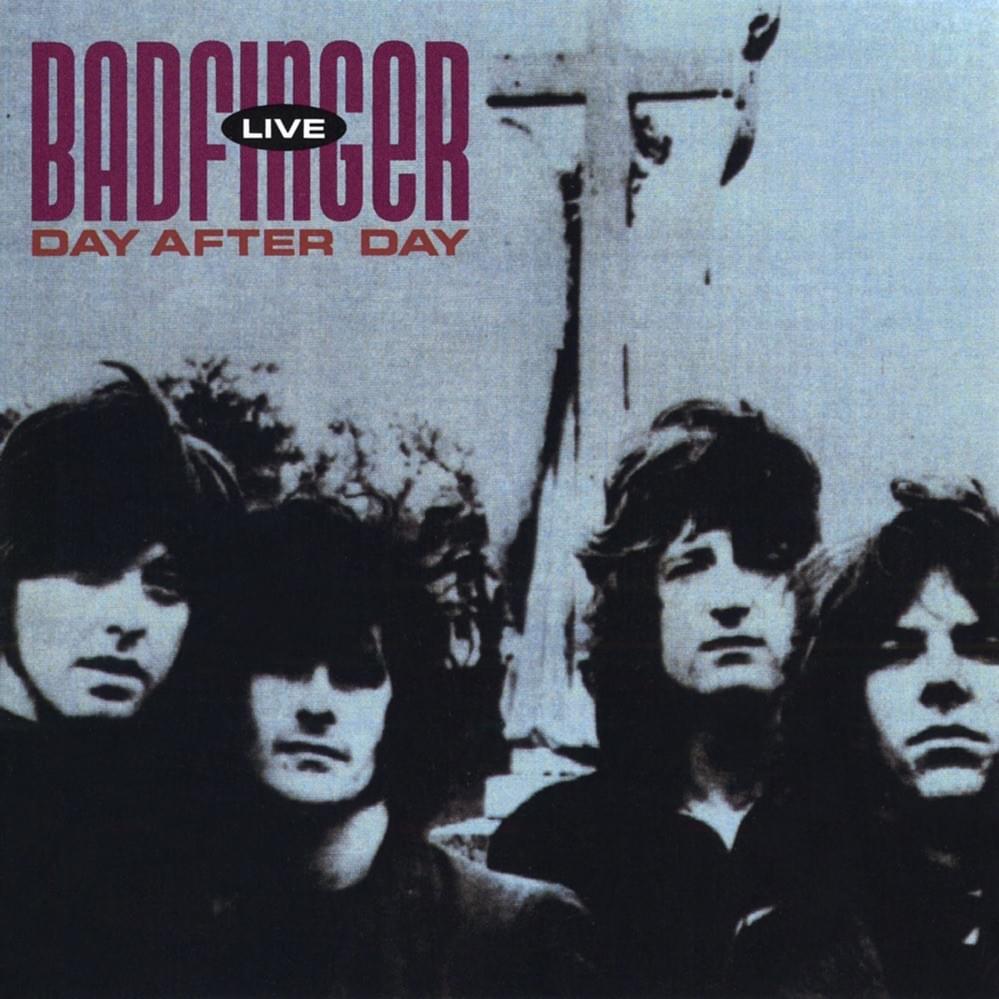
 View Artist