Song Meaning
These lyrics paint a stark, brutal picture of human suffering and mortality. The scene is one of desolation: people are "dying and starving in the fields you used to plow," their bodies decaying. The dominant emotional texture is one of bitter cynicism and profound disillusionment with any promise of a better life or divine intervention.
The central tension here is the brutal reality of death and suffering set against the empty promises of faith. The lyrics immediately declare, "no such thing as a promised land," and dismiss "reincarnation, poor excuse." This isn't just a critique; it's an angry, direct confrontation, telling the listener, "You're dying you assholes, your religion can't help you now." The speaker seems to challenge the very foundations of spiritual comfort.
The craft here is unflinchingly direct, using visceral imagery to underscore its bleak message. Phrases like "Rotting bones in your barren fields" and "Bloated stomachs from aching diseases" don't just describe; they assault the senses, making the suffering tangible. The repeated idea of dying in fields once productive adds a layer of tragic irony, suggesting a betrayal not just by the divine, but by the very earth that once sustained life. The shift from an initial "We get to die" to a confrontational "You're dying" and then a resigned "He won't save you and he won't save me" broadens the critique from a specific group to a universal, inescapable fate.
What makes these lyrics so effective is their raw, unapologetic rejection of comfort. They refuse to soften the blow of mortality, instead rubbing the reader's face in the dirt and decay. The final, chilling lines – "In the end you'll return once more to die again / Go on 'til you can't no more in non-eternal sin" – offer no escape, only a cyclical, meaningless existence where even sin is temporary, leading only back to death. It's a powerful, unsettling vision of a world stripped bare of hope.
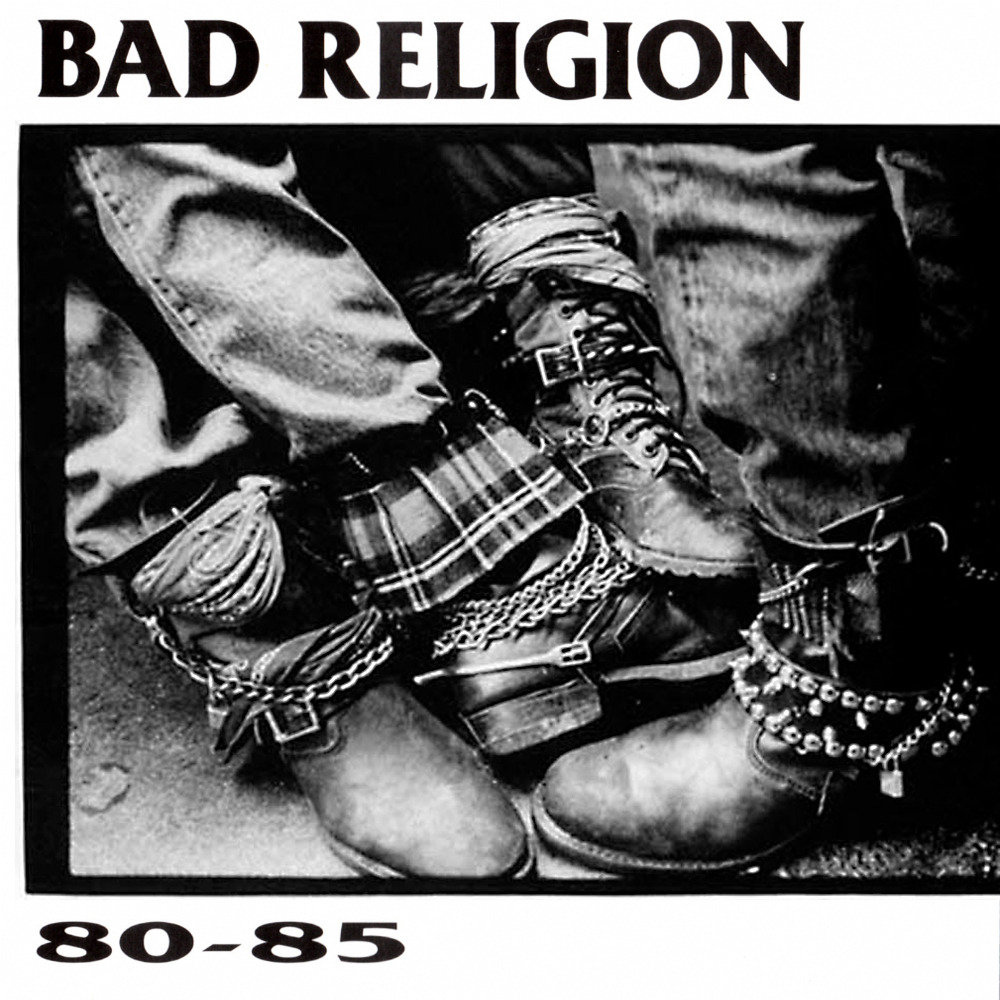
 View Artist