Song Meaning
The lyrics paint a picture of an unsettling, almost stalker-like presence. The narrator observes someone "lurking outside the window," a vivid image that immediately establishes a tone of unease and invasion of privacy. This external observer is then met with dismissive insults from the subject, "You say you're a trife, I'm a bore," suggesting a strained or antagonistic relationship where one party feels judged and the other is trying to assert dominance or distance. The subsequent action, "You touch yourself put your face in the pillow," adds a layer of raw, perhaps self-soothing or frustrated, intimacy to the scene, highlighting a private moment witnessed by the narrator.
The core tension emerges from a stark contrast between the subject's perceived actions and the narrator's self-identification. The narrator notes, "the funny thing about you is / You remembered to leave it behind," a cryptic statement that implies the subject has forgotten or neglected something crucial, perhaps an object, a feeling, or even a part of themselves. This is immediately juxtaposed with the narrator's own declaration: "the funny thing about me is / I'm a member of the right brigade." This self-proclamation, repeated and emphasized, positions the narrator as part of a distinct, perhaps ideological or social, group, one that seems to operate with a different set of priorities or a more resolute purpose.
The narrator's perspective solidifies into one of detached, almost arrogant, control. The lines "Makes no difference to me / What side you choose, what side will lose" reveal a profound indifference to external conflicts or allegiances. The narrator's focus is entirely internal and self-serving: "All there is to perceive is what I want / And I know how how to get it." This reveals a pragmatic, perhaps ruthless, approach to achieving personal goals, unburdened by the perceived failings or forgotten elements of the subject. The repetition of "Right brigade" serves as an anthem of this singular, self-assured identity, a badge of belonging that defines their unwavering stance.
This lyrical construction is effective because it builds a character who is both an observer and a participant, yet fundamentally detached from the emotional turmoil they witness. The narrator's pronouncements about the "right brigade" and their ability to "get it" create a sense of cold, calculated power. It’s this unwavering self-possession, contrasted with the implied vulnerability or forgetfulness of the subject, that makes the narrator's presence so compelling and slightly menacing, suggesting a world where personal conviction and acquisition trump all else.
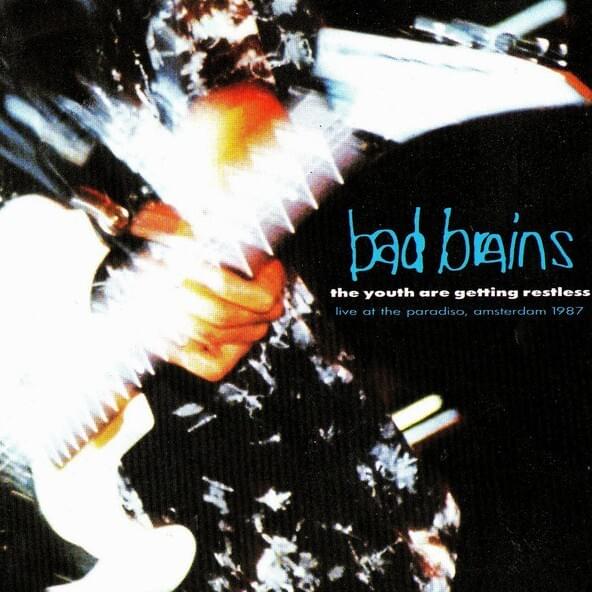
 View Artist