Song Meaning
The lyrics immediately plunge into a raw depiction of human imperfection, declaring "We're not perfect" and unable to even "love our original form." Instead of gentle understanding, the narrators describe finding each other through a brutal process of "biting and stripping off" cheap disguises. This isn't a story of ideal romance, but a defiant acceptance of messy reality.
A central tension emerges from the rejection of conventional relationship ideals. The line "don't want to complement each other" directly challenges the notion of two halves making a whole. Instead, the narrators invite each other to "dance as we please," suggesting a chaotic, individualistic approach to their shared existence, even on the "rubble we ourselves scattered." This is a bond forged in shared disarray, not neat harmony.
The craft here is strikingly visceral, using active, almost violent imagery to convey intimacy. Phrases like "biting and stripping off" disguises paint a picture of a relationship where truth is revealed through confrontation. Later, the darkly humorous "even to hell and back" promise, followed by "don't actually take me there," captures a weary realism, acknowledging the depth of their shared trials while playfully regretting the extent of their commitment.
These lyrics are effective because they refuse to romanticize connection, instead offering a brutally honest and defiant portrayal of a bond. By embracing their "unsightly shifting forms" and rejecting the need to complement each other, the narrators carve out an authentic space for a relationship built on shared imperfections and a mutual, if sometimes exasperated, acceptance of chaos. It's a powerful statement about finding profound connection not despite the mess, but often because of it.
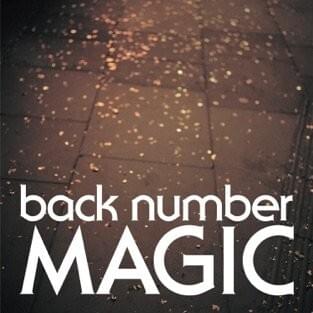
 View Artist